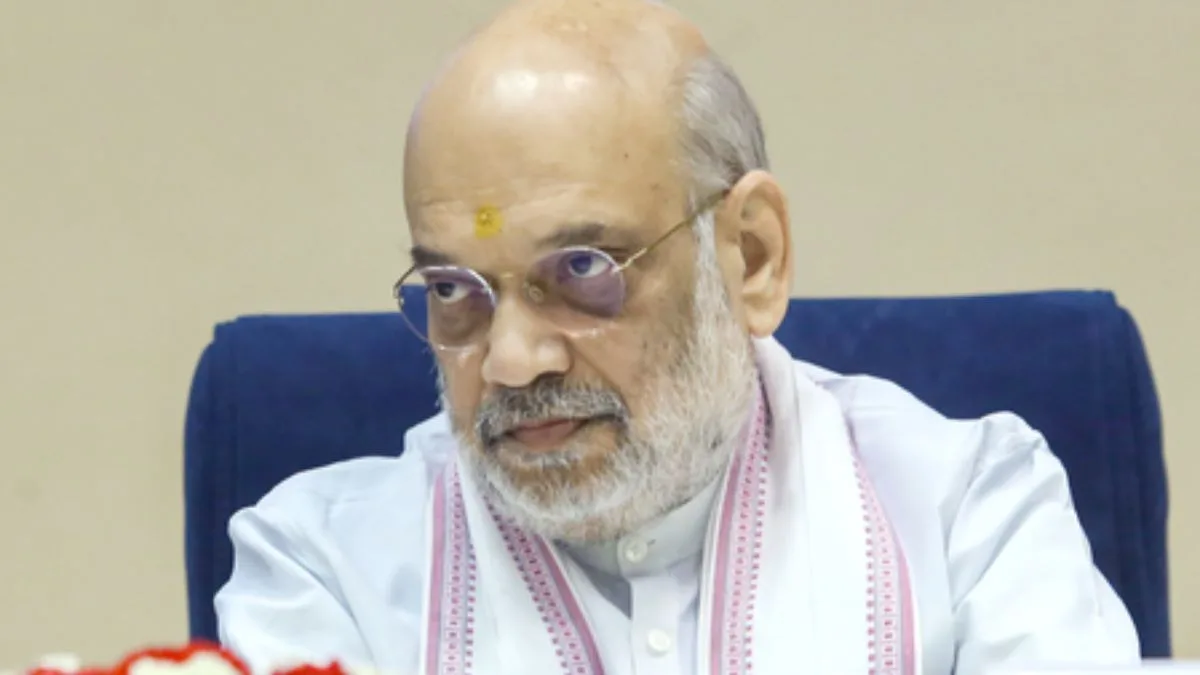
There are more than three years to go for the next Lok Sabha elections, but the BJP seems to have already started with a strategic reset in electorally most crucial Hindi heartland states — Uttar Pradesh and Bihar—which form the base of the saffron party’s quest for Parliament. It is with the intent to regain lost ground and consolidate power that a series of key organisational appointments driven by Union Home Minister Amit Shah are said to have been made in the past three days—all signalling recalibration focused on electoral arithmetic in this region.
Bihar minister Nitin Nabin’s appointment as the new national working president occupied the mind space, but an equally crucial one was the selection of Union Minister of State for Finance Pankaj Chaudhary as Uttar Pradesh BJP president. Nabin’s elevation and appointment of six-time Darbhanga MLA Sanjay Saraogi as the new Bihar state president completed the matrix. Together, they were designed keeping in mind as many as 120 Lok Sabha seats—80 in Uttar Pradesh and 40 in Bihar—and the neighbourhood states that will be central to the saffron party’s 2029 ambitions.
Advertisement
Chaudhary’s elevation as state party chief marked a notable departure from the Uttar Pradesh Chief Minister Yogi Adityanath camp.
By bypassing leaders perceived close to the CM, such as Swatantra Dev Singh, Shah seems to have tightened reins on UP, with an aim to balance Yogi’s dominance. Both Chaudhary and Adityanath hail from the same Gorakhpur region. But they are said to not share a particularly close working relationship. There may be public displays of bonhomie and dismissals of speculation of discord, but the new appointment is widely seen as a move to “control” Yogi and undo the losses and factionalism that cost the BJP dearly in the 2024 Lok Sabha elections, making it rely on allies like JD-U and Telugu Desam Party (TDP).
In UP, the BJP’s tally fell from 62 seats in 2019 to 33 in 2024, with vote share also dropping. Many reasons were given—such as caste fractures, weak grassroots mobilisation and overconfidence after optimistic exit polls—but a factor that seemed to have also helped the surge of the INDIA bloc, led by the Samajwadi Party, was the purported rivalry for the post-Narendra Modi leadership; basically speculations of Yogi’s rising Hindutva appeal and mass base clashing against Shah’s organisational dominance.
The new state BJP chief is expected to undo all of that and consolidate the BJP’s OBC and EBC voters, who hold the key to over half of the state’s Lok Sabha seats.
In Bihar, the elevation of Sanjay Saraogi—a Sangh-backed leader with strong grassroots credentials—comes amid an alliance with Chief Minister Nitish Kumar’s JD (U). Will the BJP like to follow the same seat-sharing equation in future? That will be the key question as Saraongi at the state level and Nabin at the national level manage the new strategy. Analysts say “Shah’s boys or men” at key posts underline the central leadership’s mind on the future with a sharper Hindi belt management—an early and clear signal that the road to 2029 has already begun.