Austerity appeal and LiFE align closely
The recent austerity appeal of the Hon’ble Prime Minister aligns closely with his global vision of “Lifestyle for Environment” (LiFE), which he consistently advocates on global platforms.
Across India’s fast-growing cities, indoor spaces—from compact apartments and busy office rooms to verandahs, staircases, terraces, porticos, and even corridors—are becoming the new frontier of greening.




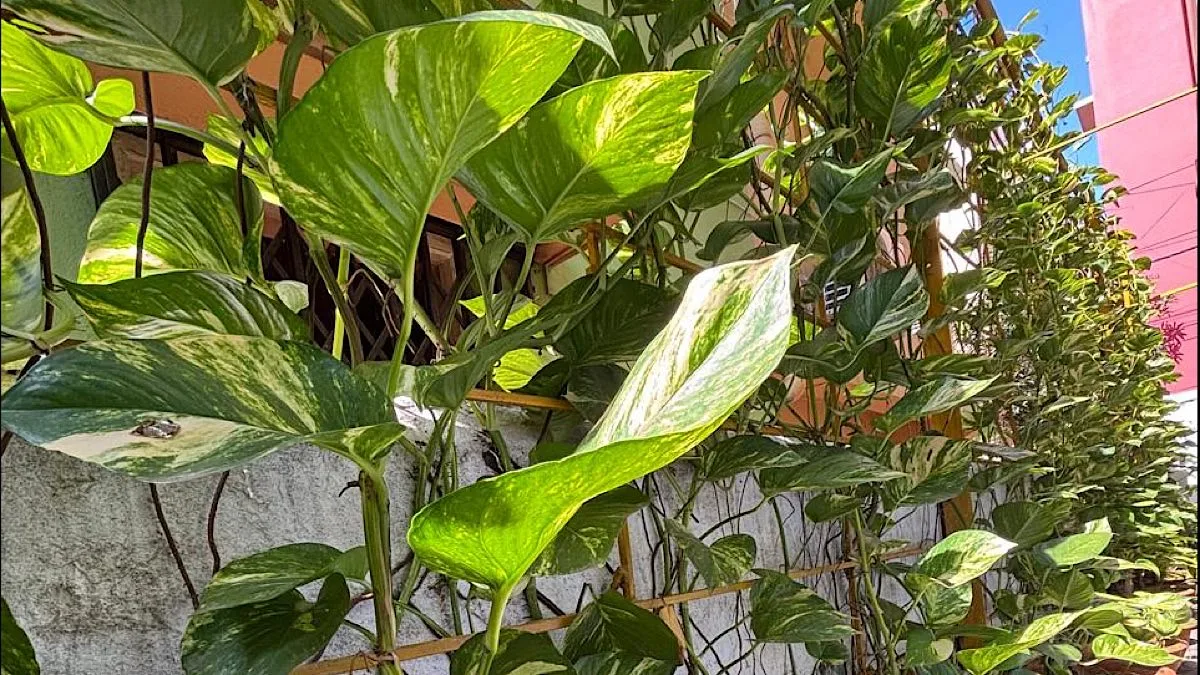
Photo:SNS
“When we bring a plant indoors, we don’t just decorate a space—we heal it.”
Across India’s fast-growing cities, indoor spaces—from compact apartments and busy office rooms to verandahs, staircases, terraces, porticos, and even corridors—are becoming the new frontier of greening. As people spend nearly 80–90% of their time indoors, the need for healthy, calming, green-filled interiors has never been greater. Indoor plants purify the air, regulate humidity, reduce stress, uplift moods, and create a sense of beauty and belonging.
Advertisement
Just as outdoor greening shapes the landscape of a city, indoor greening shapes the landscape of our daily lives. A well-placed Areca Palm beside a window, a Money Plantcascading down a pillar, a Peace Lily glowing under soft indoor light—each touches our senses quietly yet deeply.
Advertisement
This article presents an innovative, informative, and practical guide to indoor greening and beautification, specially curated for Indian homes and climatic conditions. It explores the best species, placement ideas, air-purifying champions, vertical gardening, décor-integrated plants, and design principles to turn any indoor space into a living sanctuary.
THE EVOLUTION OF INDOOR GREENING: Why Indoor Plants Matter More Today Than Ever
As cities become denser and vertical, and working hours stretch longer, life become over stressed, the indoors have become our constant companion. This shift has brought with it a silent crisis: indoor air pollution in Indian homes and offices is often 2–5 times higher than outdoor levels.
Emissions from furniture, paint, cooking, cleaning agents, traffic, dust, and electronics continuously affect indoor well-being. Plants, with their natural ability to filter air, absorb toxins, and cool microclimates, offer a simple and elegant solution.
But their value goes far beyond health:
In short, indoor plants are not accessories—they are indoor infrastructure.
DESIGNING THE INDOOR GREENSCAPE: THE ART OF PLACEMENT
Indoor greening thrives when plants are placed thoughtfully, respecting available light, space, movement, and usage patterns. Below is a comprehensive guide to designing beautiful indoor plant zones across Indian homes and offices.
1. Living Room: The Heart of Green Atmosphere
The living room is truly the heart of a green home—a space where plants not only decorate but also breathe life, freshness, and calm into everyday moments. This is the corner where families gather, conversations flow, and the mind finds a quiet pause, making it the perfect place for lush indoor greenery. Elegant choices like the Areca Palm and Fiddle Leaf Fig add height and drama, while the Rubber Plant (Ruby) brings a splash of colour. The Peace Lily softens the room with its graceful white blooms, and Dieffenbachia adds a touch of tropical warmth. Low-maintenance favourites like Snake Plant and ZZ Plantensure beauty with minimal care, creating a living space that feels vibrant, soothing, and effortlessly alive.The living room is where plants create the strongest visual and emotional impact.
Design Principles
These species thrive in India’s indoor conditions—filtering air, uplifting mood, and visually enriching family spaces.
2. Bedrooms: Soft, Soothing, and Oxygen-Rich
Plants in bedrooms must be peaceful companions, adding calmness without overwhelming the space. The best choices include the Snake Plant, which releases oxygen at night, along with Aloe vera, Peace Lily, Lavender placed near sunny windows for its gentle fragrance, and the ever-dependable Spider Plant. These plants work beautifully because they release oxygen, regulate humidity, and reduce indoor toxins, helping create a cleaner and more soothing environment. Their quiet presence promotes deeper sleep, mental relaxation, and a sense of comfort that makes the bedroom feel like a true retreat. Together, they transform the room into a soft, restful, and oxygen-rich sanctuary.Plants in bedrooms must be peaceful companions.
3. Indoor Office Spaces: Productivity Through Greenery
An office filled with plants is not just prettier—it becomes a healthier, sharper, and more energising place to work. Desk-friendly companions like the ZZ Plant, Pothos/Money Plant, Philodendron varieties, Aglaonema hybrids, Mini Sansevieria, and Lucky Bamboofit beautifully into modern workstations without demanding much care. These resilient species lower stress, improve concentration, and quietly filter the air around laptops, printers, and other electronic equipment. They also help create a calmer setting for long meetings, intense calls, and tight deadlines. Even adding a single plant every one to two metres can make a measurable difference to indoor air quality, transforming a routine workspace into a fresher, more inspiring environment that supports both wellbeing and productivity.
An office with plants is not just prettier—it is healthier and more efficient.
4. Verandahs and Porticos: Transitional Green Zones
These half-outdoor, half-indoor spaces are perfect for plants that enjoy gentle sunlight and thrive in airy corners. The best choices include the Areca Palm, Bougainvillea Dwarf, Adenium (Desert Rose), Hibiscus dwarf varieties, Ferns such as Boston and Staghorn, Asparagus Fern, and the hardy Jade Plant. Together, they bring life, colour, and a refreshing sense of openness to the entrance of your home. Beautification becomes effortless when you use hanging pots for trailing species, add flowering dwarfs to brighten the doorway, or design a simple “green welcome corridor” that guides guests with beauty and warmth. These transitional green zones create an inviting first impression while keeping the space lively throughout the seasons.
5. Stairs and Stairwells: The Vertical Garden Opportunity
Staircases in Indian homes and offices are often overlooked, yet they offer enormous potential to become striking vertical green galleries. Simple placement ideas can transform these spaces instantly—tall columnar plants placed on landings, hanging Money Plants or Pothos trailing gracefully along the rails, slim Sansevieria lined neatly on stair edges, or innovative wall-mounted vertical planters that turn a plain wall into living art. Some of the best species for such areas include the hardy Snake Plant, versatile Pothos, lush Epipremnum aureum, vibrant Aglaonema, and the ever-reliable Chlorophytum (Spider Plant). These plants not only adapt well to stairwell lighting conditions but also add rhythm, freshness, and visual interest to every step. With thoughtful placement, staircase greenery turns everyday movement into a calming, beautiful experience—making even the simplest climb feel connected to nature.
6. Terrace & Rooftop Indoor–Outdoor Zones
Terraces in Indian homes can be transformed into soothing semi-indoor green sanctuaries where plants and open skies meet effortlessly. Ideal species for these elevated spaces include graceful Palms (Bottle Palm, Foxtail Palm for partially sheltered areas), fragrant Dwarf Plumeria, evergreen Murraya paniculata, cheerful Tecomadwarf, colourful Cordyline fruticosa, and the hardy Schefflera. These plants thrive beautifully in rooftop microclimates. For design, combine potted trees with lush shrubs to create layers, use lightweight soil mixes to protect the structure, and incorporate pergolas with climbers like Thunbergia for shade and charm. Add comfortable seating so your terrace becomes a quiet green hideaway—an uplifting escape from the noise, heat, and stress of urban life.
7. Plants Near Glass Doors & Sunlit Windows
Glass doors and sunlit windows are premium spots where sunlight pours in, making them perfect homes for sun-loving indoor and semi-indoor plants. Ideal choices include the charming Jade Plant, soothing Aloe vera, hardy Cacti, and elegant Succulents like Echeveria and Haworthia. Larger companions such as Ficus elastica, graceful Areca Palm, and resilient Dracaena thrive brilliantly here. Even fragrant favourites like Lavender and sacred Basil/Tulsi flourish in these bright pockets. With sunlight bouncing through glass, these plants grow healthier, purify indoor air more efficiently, and create a warm, vibrant atmosphere that brightens both your home and your mood.
8. Vertical Structures, Pillars & Columns
Urban homes often lack horizontal floor space, making vertical greening a revolutionary option.
Vertical Beautification Methods:
Best Vertical Plants: Money Plant; English Ivy; Philodendron scandens; Ferns and Wandering Jew (Tradescantia). These bring the forest into your home without occupying floor area.
9. INDOOR AIR PURIFIERS: NATURE’S OWN FILTERS
Indoor pollution from formaldehyde, benzene, VOCs, smoke, cooking fumes, dust, and electronics heavily impacts Indian homes. According to NASA’s Clean Air Study, certain plants act as natural purifiers, silently filtering toxins while enriching indoor spaces with freshness, cleaner air, and a sense of wellbeing—making them essential companions for healthier living.
Top Indoor Air-Purifying Champions for Indian Conditions
|
Indoor Plant |
Air-Purifying Ability |
Pollutants It Can Remove |
|||
|
Snake Plant (Sansevieria) |
Excellent |
Formaldehyde, benzene, xylene, toluene, VOCs |
|||
|
Peace Lily |
Very High |
Benzene, formaldehyde, trichloroethylene, ammonia, mold spores |
|||
|
Areca Palm |
High |
Toluene, xylene, airborne dust, humidity regulation |
|||
|
Spider Plant (Chlorophytum) |
Excellent |
Formaldehyde, xylene, carbon monoxide |
|||
|
Aloe vera |
Moderate |
Benzene, formaldehyde |
|||
|
ZZ Plant (Zamioculcas) |
Moderate |
Xylene, toluene |
|||
|
Rubber Plant (Ficuselastica) |
High |
Formaldehyde, mold spores |
|||
|
Pothos (Epipremnumaureum) |
Excellent |
Formaldehyde, benzene, toluene, xylene |
|||
|
Philodendron |
High |
Formaldehyde (especially from furniture & plywood) |
|||
|
Aglaonema |
Moderate–High |
Benzene, formaldehyde |
|||
|
Boston Fern |
Very High |
Formaldehyde, xylene; strong humidifying effect |
|||
|
Dracaena varieties |
High |
Benzene, formaldehyde, trichloroethylene |
|||
|
Bamboo Palm (Chamaedorea) |
Excellent |
Benzene, trichloroethylene, formaldehyde |
|||
|
Hoya varieties |
Moderate |
VOCs, carbon dioxide absorption |
|||
|
English Ivy |
Very High |
Mold spores, benzene, formaldehyde |
|||
|
Succulents (general) |
Low–Moderate |
Carbon dioxide absorption, some VOC reduction |
|||
|
Jade Plant |
Moderate |
Toluene, Volatile Organic Compounds (VOCs) |
|||
|
Hibiscus (Indoor/Dwarf) |
Mild |
Air freshness, dust settling |
|||
|
Cacti |
Mild |
CO₂ absorption, minimal VOC removal |
|||
|
|
|
|
|||
|
|
|
|
|||
|
|
|
|
|||
|
|
|
|
|||
|
|
|
|
|||
|
|
|
|
|||
|
|
|
|
|||
Note: A home with 6–8 medium plants can see significant air quality improvements.
10. Hanging plants bring beauty from above:
Softening indoor spaces with gentle movement and natural grace. They add charm without occupying floor space, making them perfect for compact Indian homes. Some of the best hanging species include Boston Fern, String of Pearls, Pothos, English Ivy, Lipstick Plant, Hoya varieties, and Spider Plant—each adding a unique texture and personality to your home. These delicate green companions can be placed along balcony beams, in living room corners, beside staircases, at the edges of verandah ceilings, or near kitchen windows, where they thrive in filtered light and airflow. Whether cascading downward or gently swaying with the breeze, hanging plants elevate everyday spaces into calm, uplifting, and effortlessly stylish green retreats.
11. PLANTS FOR LOW-LIGHT ZONES
Many Indian homes have interior corners, corridors, or windowless rooms where sunlight barely reaches—yet these spaces can still come alive with the right greenery. Plants for low-light zones are quiet survivors, capable of thriving where most species struggle. Some of the best low-light plants include the resilient ZZ Plant, hardy Sansevieria, graceful Philodendron heartleaf, dependable Aglaonema varieties, calming Peace Lily (which thrives even in dim areas), and the legendary Aspidistra (Cast Iron Plant), known for its near-indestructible nature. These plants not only survive but subtly brighten shaded spaces, improving air quality and adding depth and character to interior rooms. With them, even the darkest corners of a home can feel warm, welcoming, and beautifully alive.
12. PLANTS FOR BRIGHT, SUNNY INDOOR SPOTS
For homes blessed with sun-facing balconies, terraces, verandahs, and large windows, certain plants absolutely flourish in the warm Indian sunlight. Some of the best choices for these bright zones include hardy Succulents, striking Cacti, the sculptural Adenium, the ever-lively Jade Plant, graceful Areca Palm, bold Dracaena, and colourful bloomers like Hibiscus Dwarf and Ixora Dwarf. These species love the heat and reward your space with stronger growth, vibrant colours, and a cheerful presence.
CREATING THEMES FOR INDOOR GREENING :
A home becomes truly inviting when plants come together in thoughtful themes.
1. A Tropical Theme brings a forest-like feel using palms, philodendrons, monsteras, and lush ferns.
2. A Minimalist Theme suits modern homes with clean lines—using Sansevieria, ZZ Plant, and Ficus elastic.
3. For colour lovers, a Floral Theme with Peace Lily, Anthurium, and Begonias keeps rooms bright and elegant.
4. A Vertical Forest Theme transforms walls with vines, creepers, and ferns arranged in vertical planters.
5. A Traditional Indian Theme adds cultural charm with Tulsi, Jasmine, Aloe vera, and even a mini Banana plant. With the right theme, every corner can tell a living, breathing story.
CONCLUSION
In a rapidly urbanizing India, where stress is rising, spaces are shrinking, and indoor life dominates daily living, indoor plants have emerged as gentle yet powerful healers. They bring beauty, purity, coolness, fragrance, and emotional richness to homes and workplaces.From sunlit windows glowing with succulents to soft living rooms framed by palms, from vertical walls blooming with vines to offices freshened by air-purifying greens—plants transform how we live, breathe, and feel. When we green the inside of our homes, we also green our minds. When we green our workplaces, we green our productivity and relationships. Indoor greening is not just an aesthetic choice—it is a lifestyle of wellness, culture, and harmony. It is where nature enters our daily lives, one leaf at a time. In a country as vibrant as India, our indoors deserve to bloom just as beautifully as our outdoors.
“Indoor greening is not decoration—it is a quiet revolution.”
(The writer is, IFS, Chief Conservator of Forests, West Bengal)
Advertisement