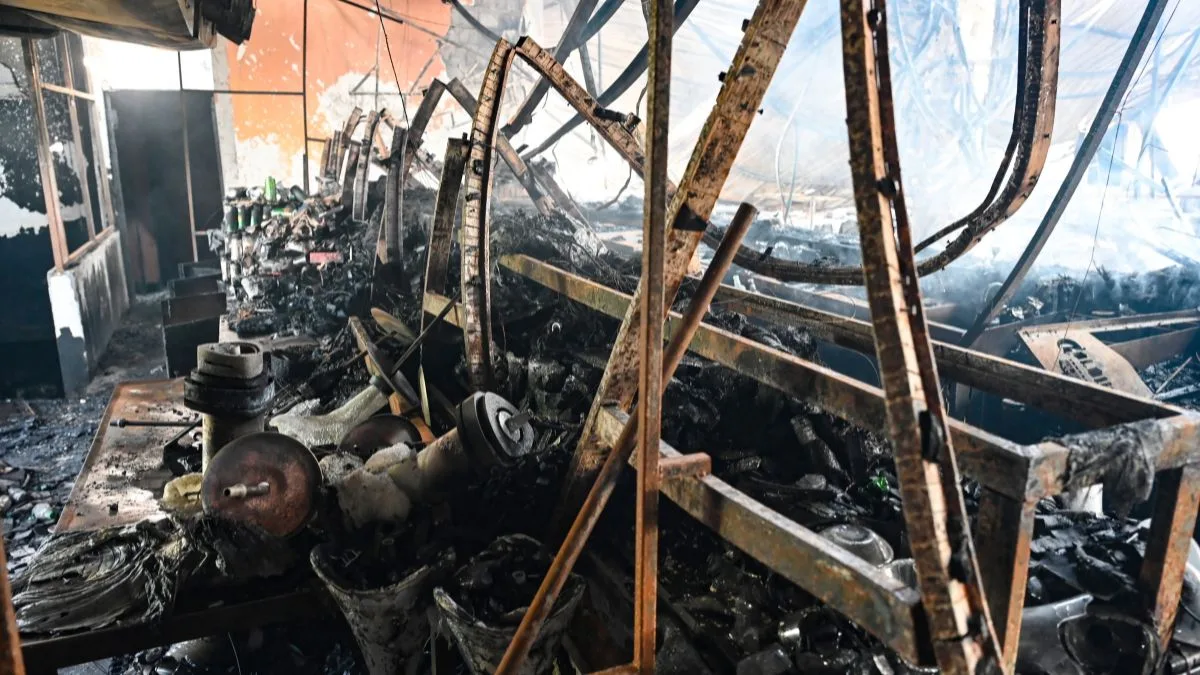
The fire that tore through a popular nightclub in Goa on the weekend is more than a local tragedy, it is a national reckoning. Twenty-five lives, most of them young workers who staffed the venue, were lost within minutes. A blaze that seems to have begun with a gas cylinder in the kitchen spread rapidly across a crowded nightlife hub, leaving devastation in its wake. Tourists caught in the chaos added to the human cost.
Emergency teams who entered the charred structure described melted furniture, collapsed ceilings, and bodies found clustered near the kitchen, suggesting that many victims had little chance to escape. This incident forces us to confront an uncomfortable truth: India’s booming leisure and entertainment ecosystem remains perilously under-regulated. Goa, with its thriving nightlife and soaring tourist footfall, is a microcosm of this mismatch. Clubs multiply faster than oversight mechanisms, and the assumption that commercial popularity equates to safety has time and again been proven false. A venue packed for a special DJ event may be a sign of economic vibrancy, but without rigorous safety protocols, such crowds become the fuel for catastrophe.
Advertisement
The state has promised an inquiry, and accountability will no doubt be demanded. Yet, India has heard these vows before, often after equally senseless tragedies. Fires in Hyderabad, Kolkata, and Gujarat over the past year alone have killed dozens. Each time, safety lapses – blocked exits, poorly maintained electrical systems, inadequate fire suppression mechanisms – were cited as preventable factors. Each time, the aftermath featured blame-shifting, ad hoc inspections, and eventually, a return to the same laxities. What makes the Goa fire particularly heartbreaking is the profile of its victims.
Many were migrants from across India and Nepal, earning modest wages while feeding a tourism economy that contributes significantly to state revenue. Their deaths reveal the invisible, unprotected labour force underpinning India’s service sector. While visitors enjoy curated nightlife experiences, the safety and welfare of the workers who make these spaces function rarely receive equal priority. To break this cycle, piecemeal fixes will not suffice. India needs a uniform, enforceable national code governing entertainment venues ~ covering fire exits, kitchen safety, electrical load standards, real-time monitoring of occupancy, and mandatory staff training in emergency protocols. Local authorities must conduct recurring audits, not just post-disaster inspections. Liability for owners and operators should be stringent enough to deter corner-cutting, while whistle-blower protections should empower employees to report unsafe conditions without fear. Economic growth and tourism cannot be built on fragile foundations. A safe environment is not a luxury; it is the baseline from which responsible development begins. Goa’s tragedy is a reminder, paid for in human lives, that when safety is treated as optional, catastrophe becomes inevitable. India cannot afford to wait for another fire to rediscover this truth.