Embracing Divinity amidst us: Why a Lonely, Hurried World Needs Rath Yatra Now More Than Ever
Once a year in Puri, the divine abandons its sanctum and rolls into the dust of ordinary life. We have rarely needed that lesson more.
The effects of misinformation are explicit in the epic Mahabharata; when Dharmaraj Yudhisthira said stoically, “Ashwatthama Hatah Naro va Kunjaro va” amidst the war drums as orchestrated by Lord Krishna, which led to the overpowering and killing of the weaponless, otherwise invincible guru Dronacharya.




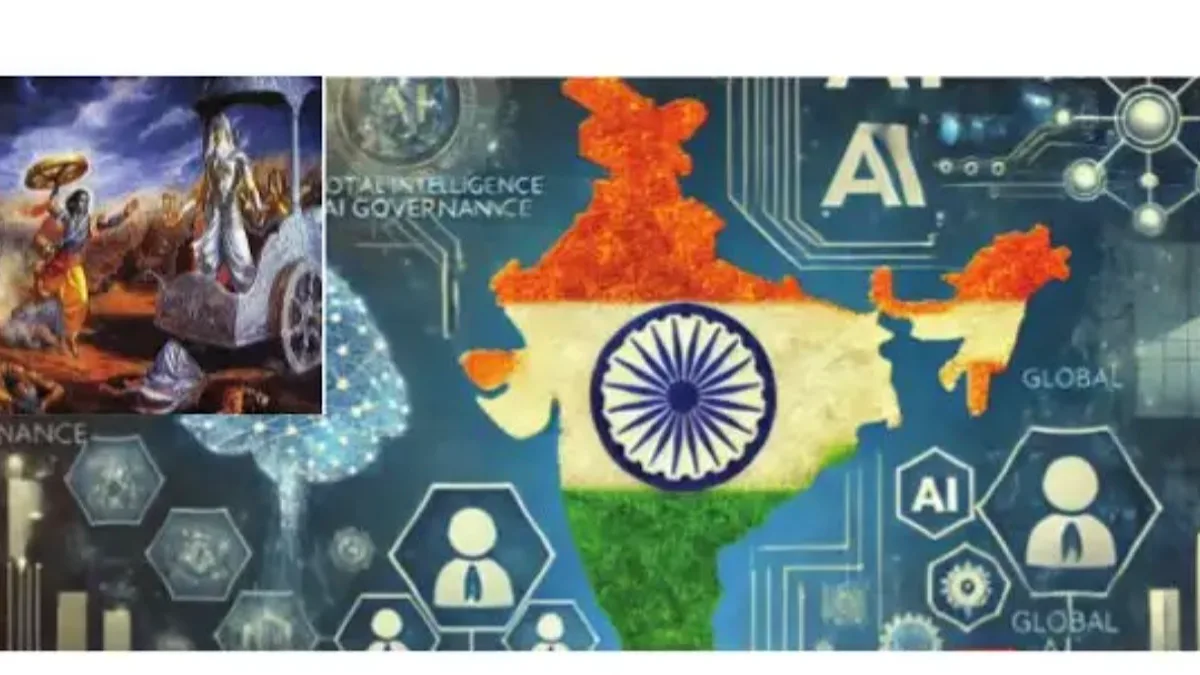
Photo:SNS
The effects of misinformation are explicit in the epic Mahabharata; when Dharmaraj Yudhisthira said stoically, “Ashwatthama Hatah Naro va Kunjaro va” amidst the war drums as orchestrated by Lord Krishna, which led to the overpowering and killing of the weaponless, otherwise invincible guru Dronacharya. The strategy paved a victory path for the Pandavas; a victory achieved at the cost of truth. This is a mirror to the mindless actions that unfold among the consumers of misinformation and disinformation.
There have been many research reports that indicate the behaviour of people in giving in to and believing misinformation from close ones, influencers, and people with the same political ideology. Misinformation is persistent and amplified by social media platforms globally. The UN Global Risk Report 2024 and the Global Risk Report of the World Economic Forum 2025 have identified disinformation as the biggest threat to the world at present. According to ‘Digital 2025: India’, more than 806 million people have internet connections, with more than 491 million using social media platforms.
Advertisement
Without parallel investment in information and media literacy, several factors, such as linguistic and cultural diversity, political polarisation and persistent divisions in society, make the land a fertile ground for the rise of disinformation. Many scholars and media personnel discussed the infodemic scenario during the health crisis of Covid-19, where the country shared the highest volume of misinformation on social media. Those included miracle cures, conspiracy theories, and false information about the vaccine, which led to vaccine hesitancy among the public.
Advertisement
The influence of disinformation is noticeable in the country’s political sphere, where propaganda-driven social media forwards and doctored videos have fuelled communal tension and voter perceptions. Recent research by scholars resonates the rise of religious violence linked directly to political misinformation circulated on digital media. These trends destroy the foundation of trust, harmony, and multiculturalism on which the nation was built, in the largest democracy. Mistrust and polarisation are fueled by such misinformation that is spread to such a large extent. In politics, it leads to binary debates and undermines informed decision-making.
Most dangerously, it poses a risk to the lives and safety of people. We have witnessed mob lynchings triggered by rumours. The ill effects of disinformation are well-documented in the history of the Rwandan Genocide, where “Radio Rwanda” played a significant role. Similarly, scholars and political experts often discuss the powerful effect of disinformation and propaganda during elections, which can change the outcomes of the democratic process. Traditionally, the media industry was considered to be the sentinel of truth. However, it has compromised its ethical practice in the current misinformation era, resulting in the crisis.
The continuous bad performance of India’s rank in the Press Freedom Index reflects a shrinking space for independent journalism. The race for TRPs has increased the volume of hate-mongering debates, manipulative visuals and selective framing of news events. At the same time, digital-first outlets are busy manipulating the algorithm of the internet to get significant website traffic, often amplifying unverified claims in pursuit of ‘viral’ information. The result is an ecosystem where misinformation circulates not merely from the fringes of social media but from every platform entrusted with informing the public.
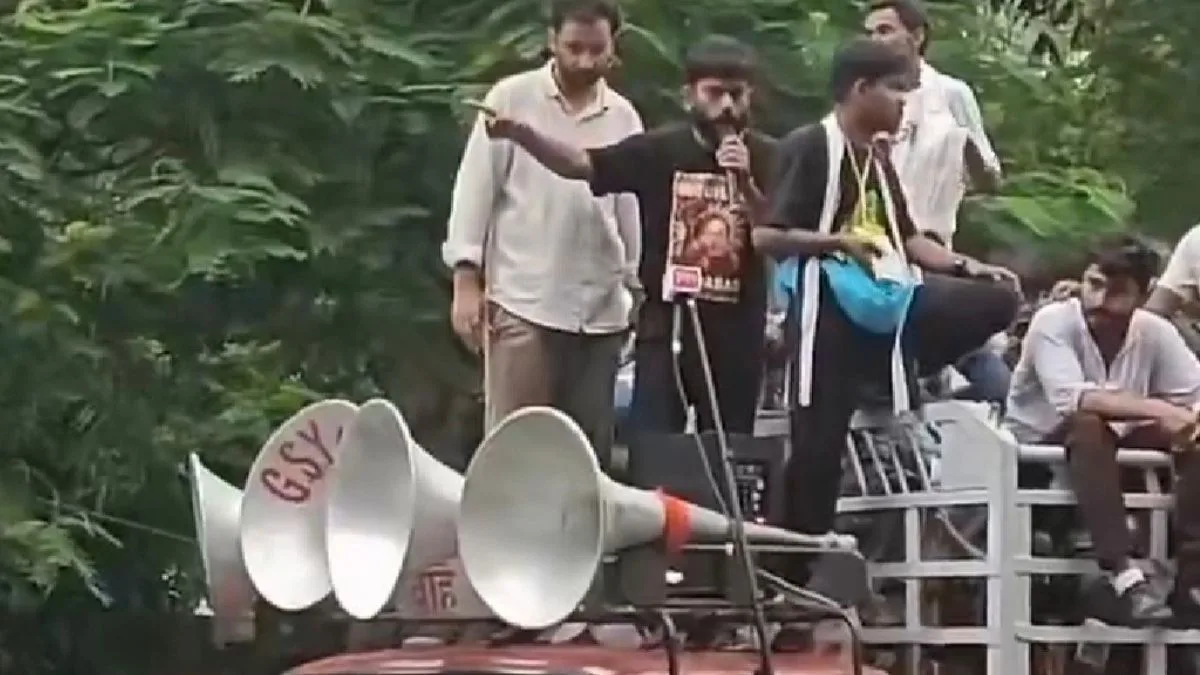
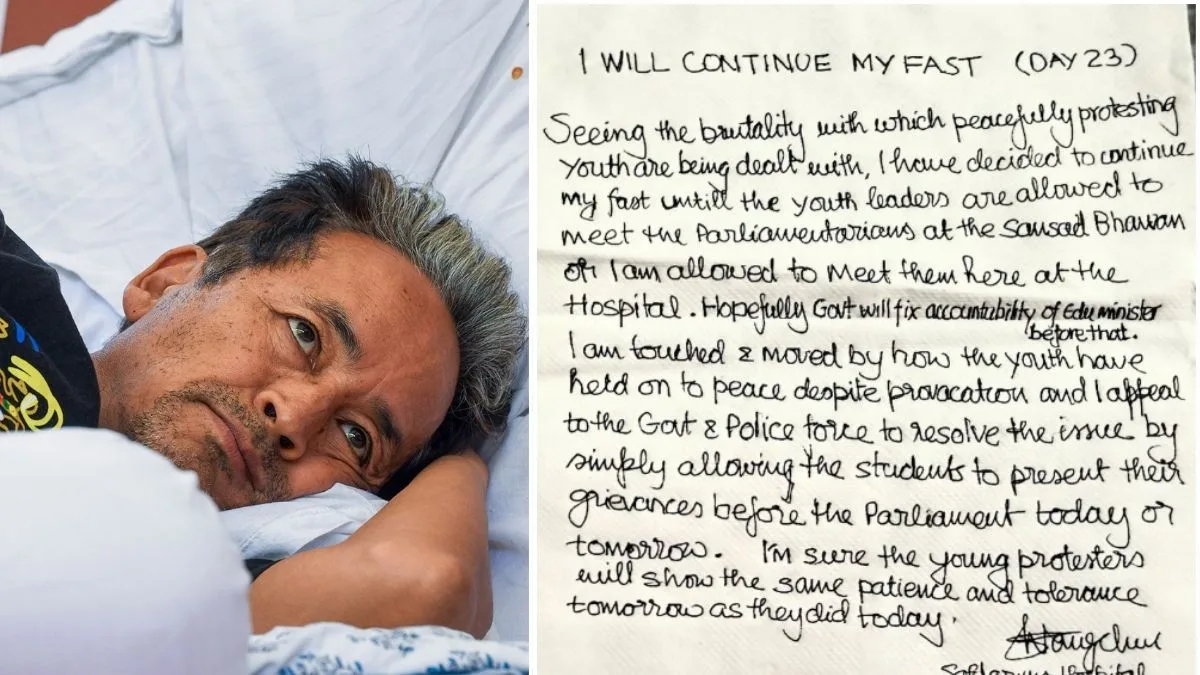
This has resulted in deepening cynicism among the youth, who are the most connected demographic to the information world and most vulnerable to digital misinformation. The world has witnessed the power of social media in amplifying grievances into political crisis in the recent past of the global south, for instance, the recent upheaval in Nepal, where the banning of 26 social platforms spurred a series of Gen Z protests that eventually led to the government’s fall. In Sri Lanka, the Aragalaya protests toppled the Rajapaksa family amid economic collapse.
Similarly, student-led unrest over job quotas led to mass digital mobilisation and the eventual fall of Sheikh Hasina in Bangladesh. In the battle against misinformation, Generative AI is undoubtedly a new challenge. Generative AI platforms can produce deepfakes, synthetic voices, and hyper-realistic images, making manipulation seamless and difficult to detect. AI technology has magnified confusion and misled millions quickly in a country like India with low digital literacy levels. Every individual with a mobile device and internet connection is both a consumer and a content creator.
Unless the regulatory and technological safeguarding agencies keep pace, we will witness a tsunami of misinformation that will drown the truth. The Indian state has legal tools to counter misinformation, though the masses question their efficacy at different times. Section 353 of BNS 2023 criminalises the propagation of fabricated assertions, rumours, or reports, notably through electronic means, with the intent to induce public mischief, alarm, foster hostility, or harm national integrity. Section 152 of BNS replaces the old sedition law under IPC Section 124A, reframing it as offences that threaten India’s sovereignty, unity, and integrity.
The Intermediary Guidelines & Digital Media Ethics Code Rules (2021) introduced under the IT Act (2000) mandate platforms to remove unlawful content and trace the origin of sources. These enforcements, however, remain inconsistent, and deception persists. The recent proposal to establish government fact-checking units was questioned and challenged by many, sensing the move as a threat to freedom of speech. The nation’s highest judiciary has also repeatedly stressed on the perils of disinformation while continuing to consider and propagate free expression. Curbing the ill effects of misinformation calls for a multifaceted approach, starting with the basics such as information literacy, media literacy, legal literacy, civic and political literacy and creating an ecosystem to debunk misinformation/disinformation and fake news with the help of special groups partnering with government sources, libraries, and information centres, and making use of AI-powered monitoring systems to control the spread of such news.
Students and young adults should be trained not just to be lazy consumers but proactive creators with a penchant for critical thinking. Fact-checking, inclusiveness and transparency in reporting events lead to quality journalism, most importantly, to ‘switch off’ the immediate reflex, to be read as ‘forward’, and to share any bit of information received via social media tools without an iota of doubt. Citizens must act with caution, cultivate emotional intelligence and develop critical thinking. The reflex to forward a message without reflection must be replaced with a culture of questioning because in a democracy, informed citizenship is the strongest defence against manipulation.
Drona was tricked into laying down his arms after hearing a half-truth about Ashwatthama’s death; will learned citizens forgo their common sense and sanity, and succumb to the treachery of misinformation? If misinformation continues to masquerade as information, the casualty will not just include individual lives but will pose a threat to democracy. The World Economic Forum’s warning is clear: misinformation is not a passing nuisance but the defining threat of our era. Government, media, technology platforms, and citizens must act in concert to preserve the sanctity of truth. Mahatma Gandhi once wrote in Young India: “An error does not become truth by reason of multiplied propagation, nor does truth become error because nobody sees it”. Let his words guide us. Truth stands firm even in silence; lies, no matter how loud, remain false.
The writers are, respectively, a Junior Research Fellow, University of Madras, and Assistant Professor & Dean ~ Alumni Affairs, University of Madras
Advertisement