In a major step towards realising the vision of a prosperous and inclusive Blue Economy, the Government has notified the rules for “Sustainable Harnessing of Fisheries in the Exclusive Economic Zone (EEZ)”.
The initiative, inspired by the government’s commitment to unlocking the untapped potential of India’s marine sector, fulfils the Budget 2025–26 announcement that envisaged an enabling framework for sustainable fisheries from the Indian EEZ and High Seas, with special focus on the Andaman & Nicobar and Lakshadweep Islands.
Advertisement
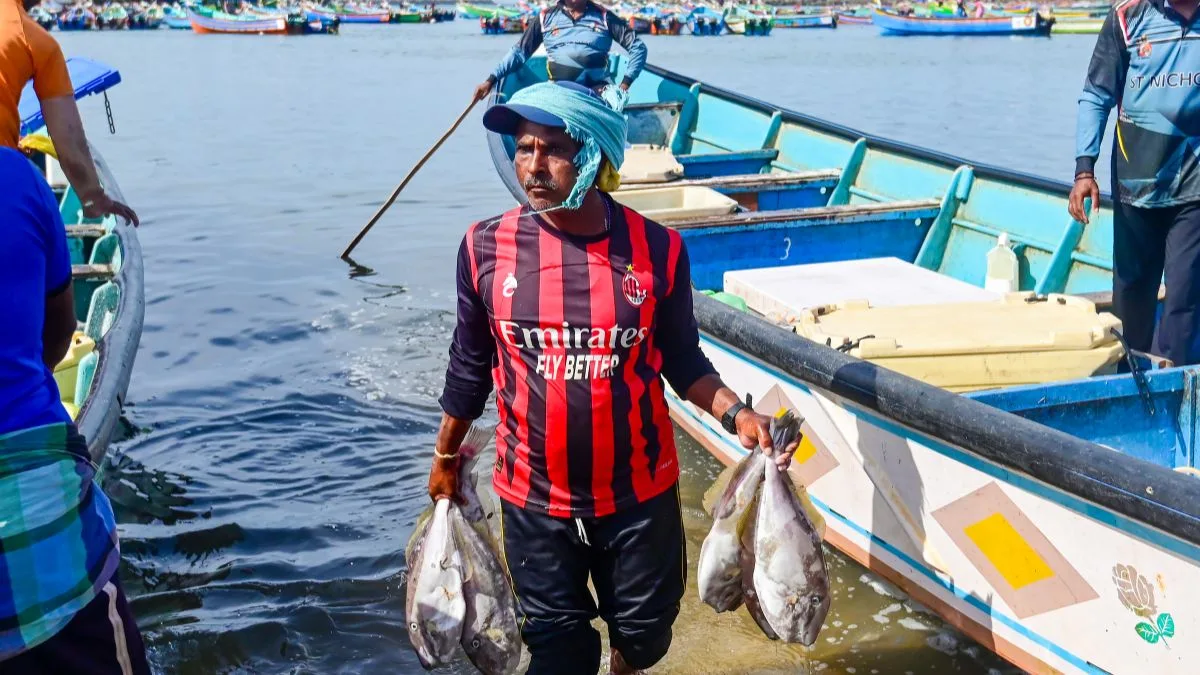
The rules give priority to Fishermen Cooperative Societies and Fish Farmer Producer Organizations (FFPOs) for undertaking deep-sea fishing operations and managing technologically advanced vessels.
The EEZ rules will not only facilitate deep-sea fishing but will also contribute to enhancing seafood exports by emphasizing value addition, traceability, and certification.
This initiative is expected to open new horizons for the Indian marine fisheries sector through the creation of modern infrastructure and the introduction of the mother-and-child vessel concept, allowing mid-sea transshipment under an effective monitoring mechanism of the Reserve Bank of India (RBI) regulations.
In island regions of the Andaman & Nicobar Islands and Lakshadweep, which together account for 49% of India’s EEZ area, the use of mother and child vessels will give a boost to the export of high-quality fish.
The government will provide comprehensive support to fishers and their cooperatives/FFPOs through training programs, international exposure visits, and capacity-building initiatives across the value chain, including processing, value addition, marketing, branding and exports.
Access to easy and affordable credit will be facilitated under flagship schemes such as the Pradhan Mantri Matsya Sampada Yojana (PMMSY) and the Fisheries and Aquaculture Infrastructure Development Fund (FIDF).
The EEZ rules take a firm stand against harmful fishing practices such as LED light fishing, pair trawling and bull trawling to protect the marine ecosystem and ensure equitable fishing opportunities.
To conserve biodiversity, a minimum legal size for fish species will also be prescribed and Fisheries Management Plans will be developed in consultation with stakeholders, including state governments, to restore declining fish stocks.
Mariculture practices such as sea-cage farming and seaweed cultivation will also be promoted as alternate livelihoods in order to reduce fishing pressure in nearshore areas while increasing production without compromising environmental integrity.
These measures will particularly benefit small-scale fishers and their cooperatives, enabling them to access deep-sea resources, earn higher incomes, and export high-value species like tuna to global markets.