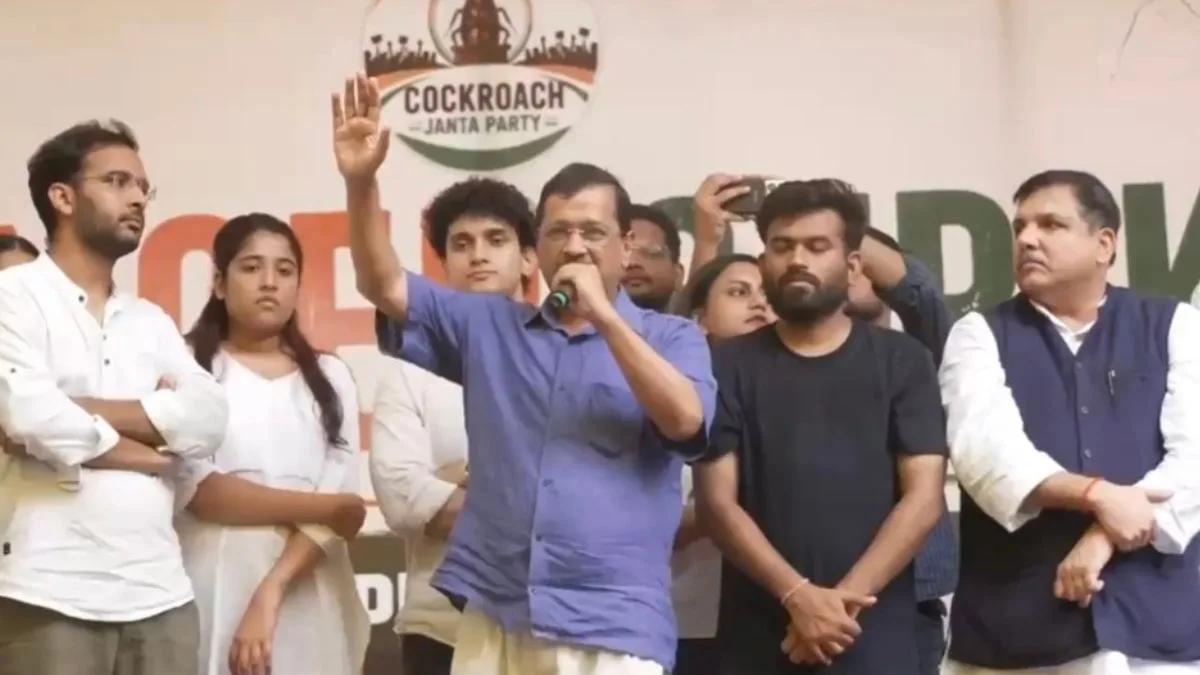
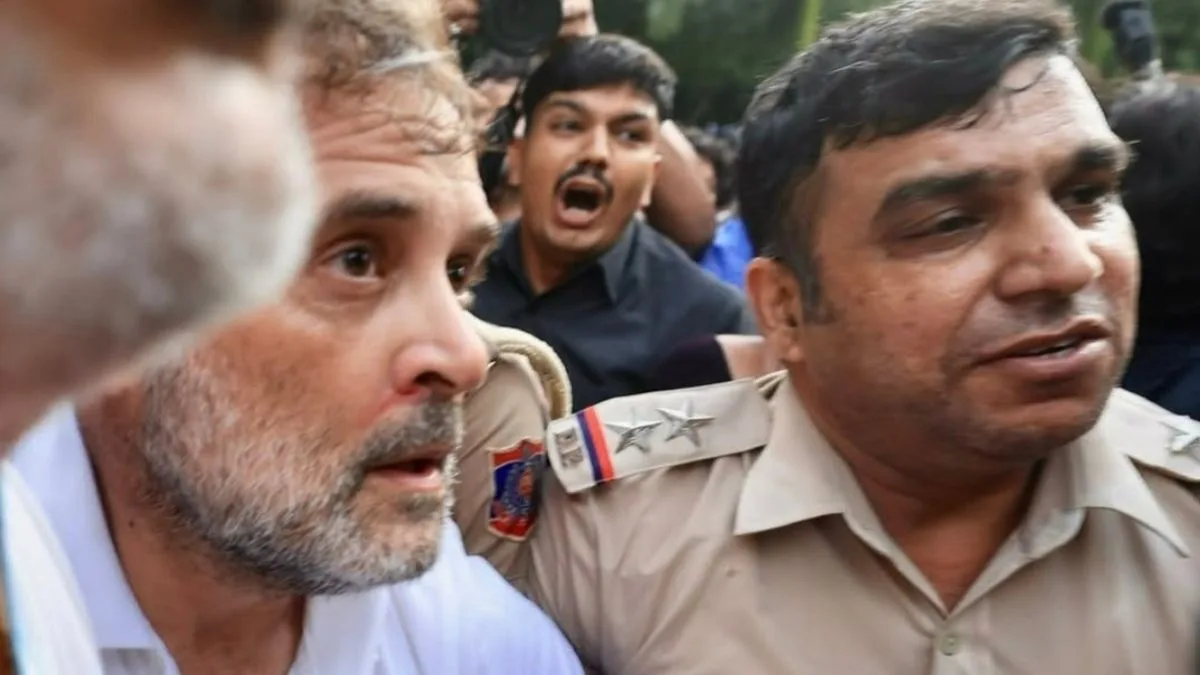
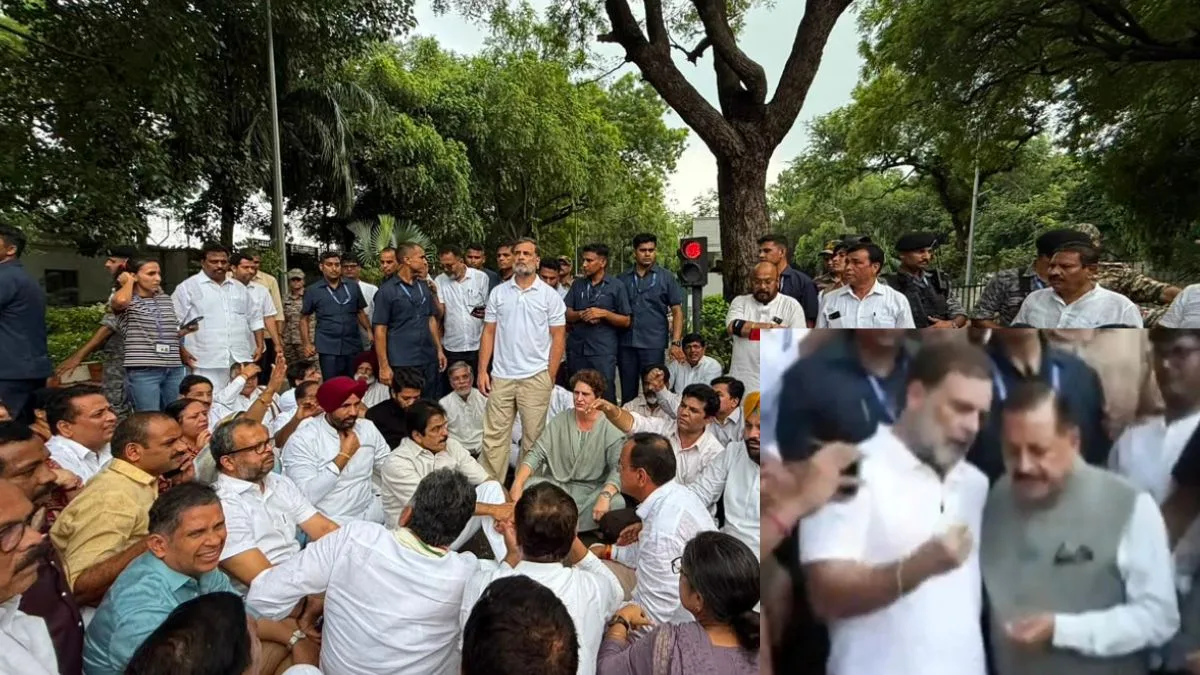
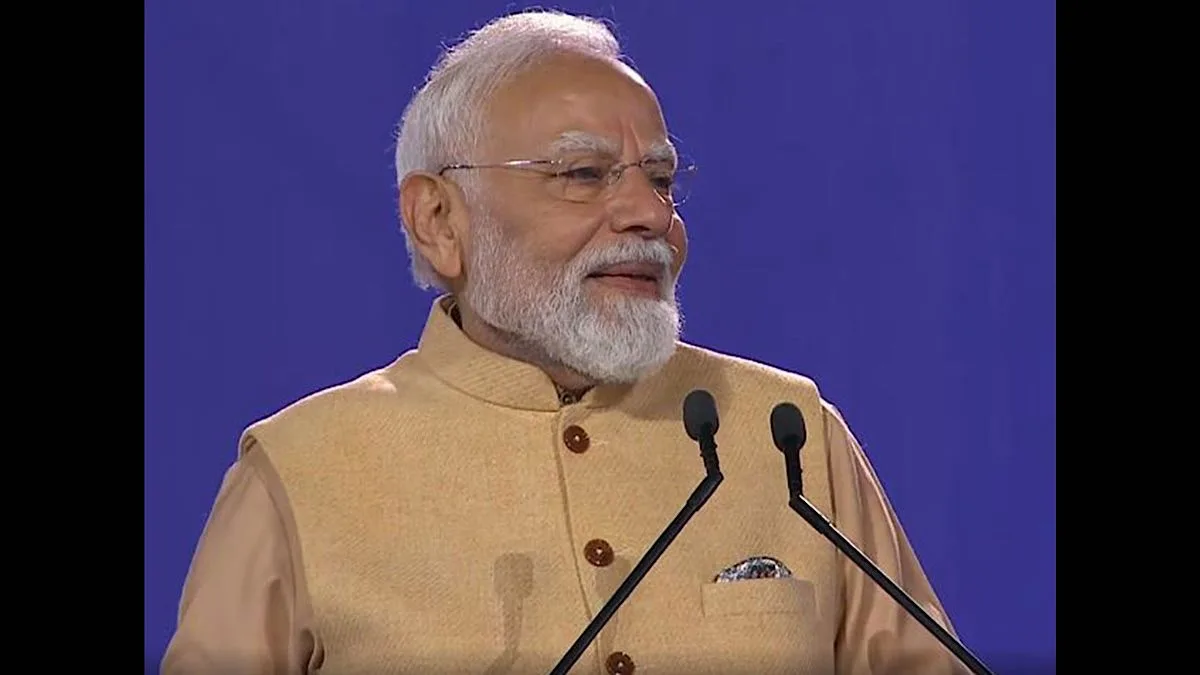
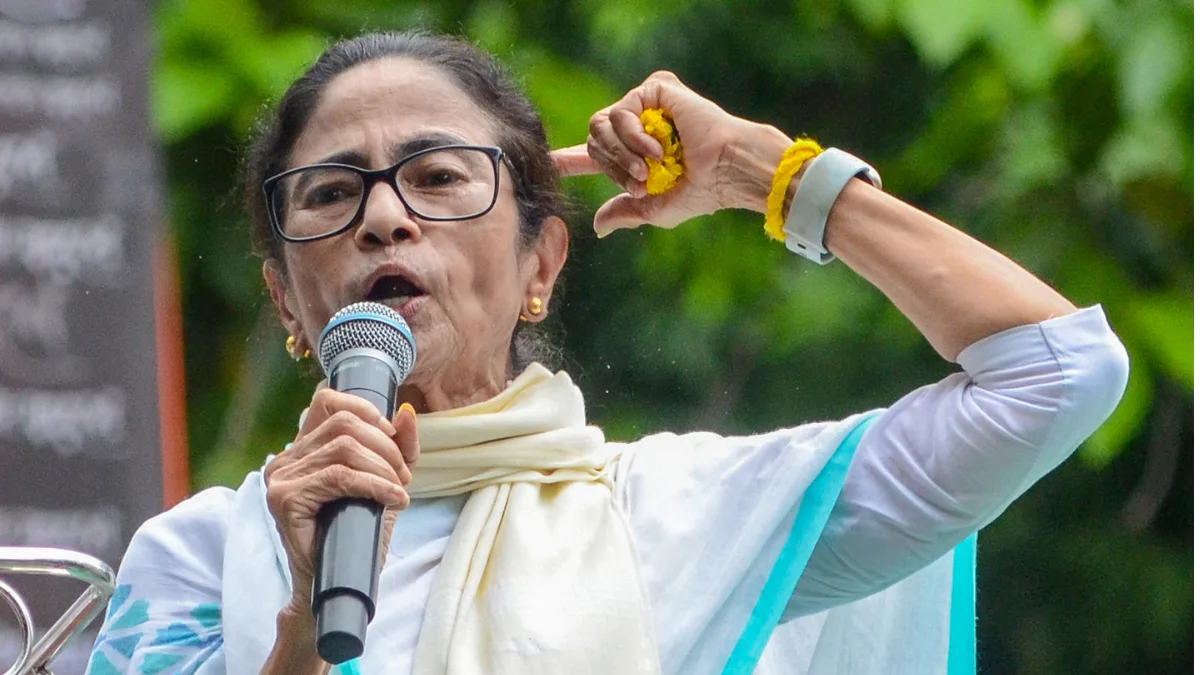
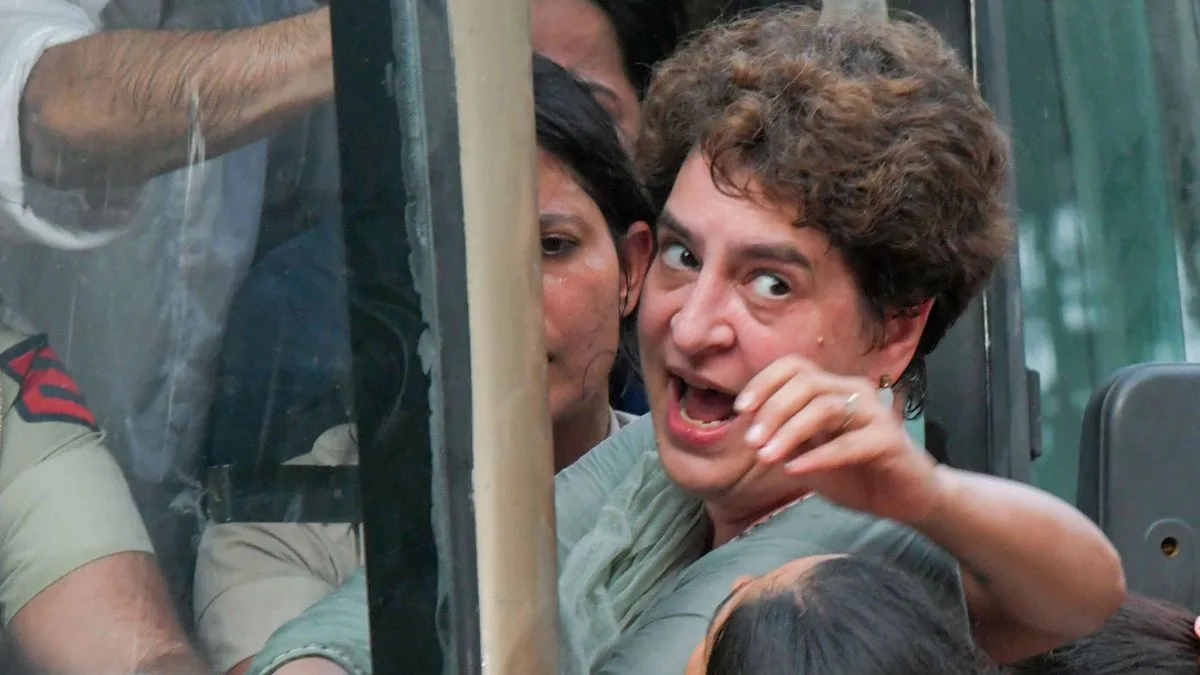
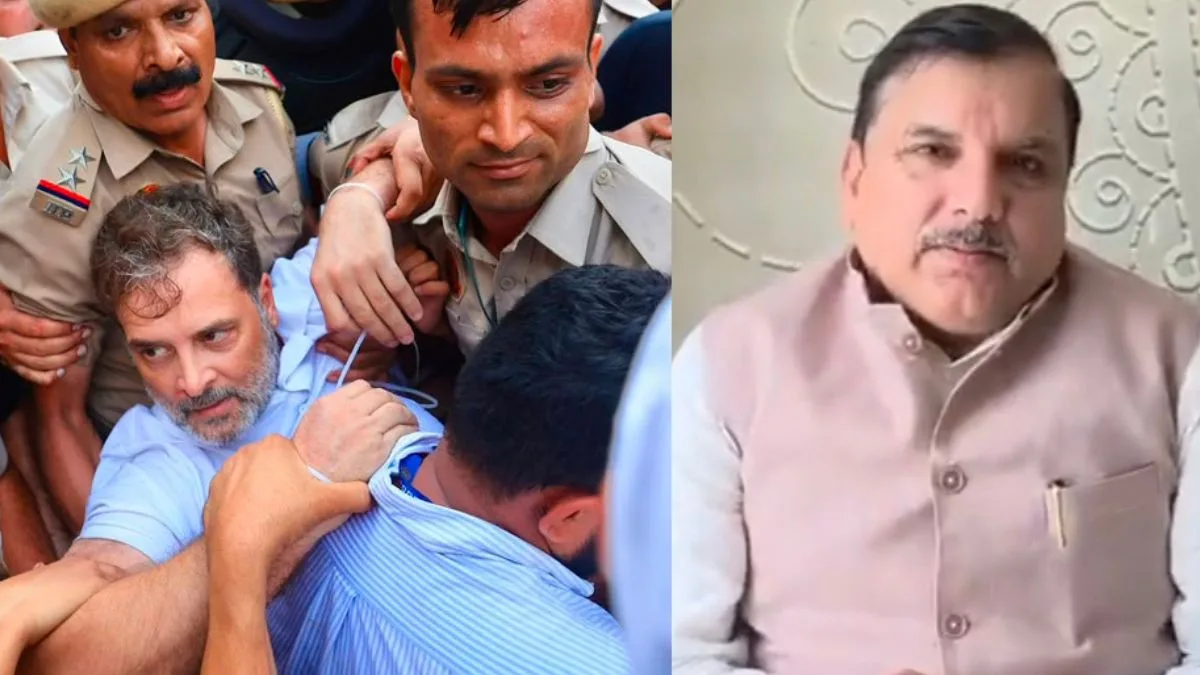
CJP’s Parliament march loses its script at Jantar Mantar, splinters into scattered protests
Student groups and Opposition workers formed a sizeable crowd, but the promised procession towards Parliament never emerged as one organised march.
Delhi’s morning after Diwali has become a ritual of irony. The festival that celebrates the triumph of light over darkness now ends in a haze so thick that dawn itself seems extinguished. This year was no exception.




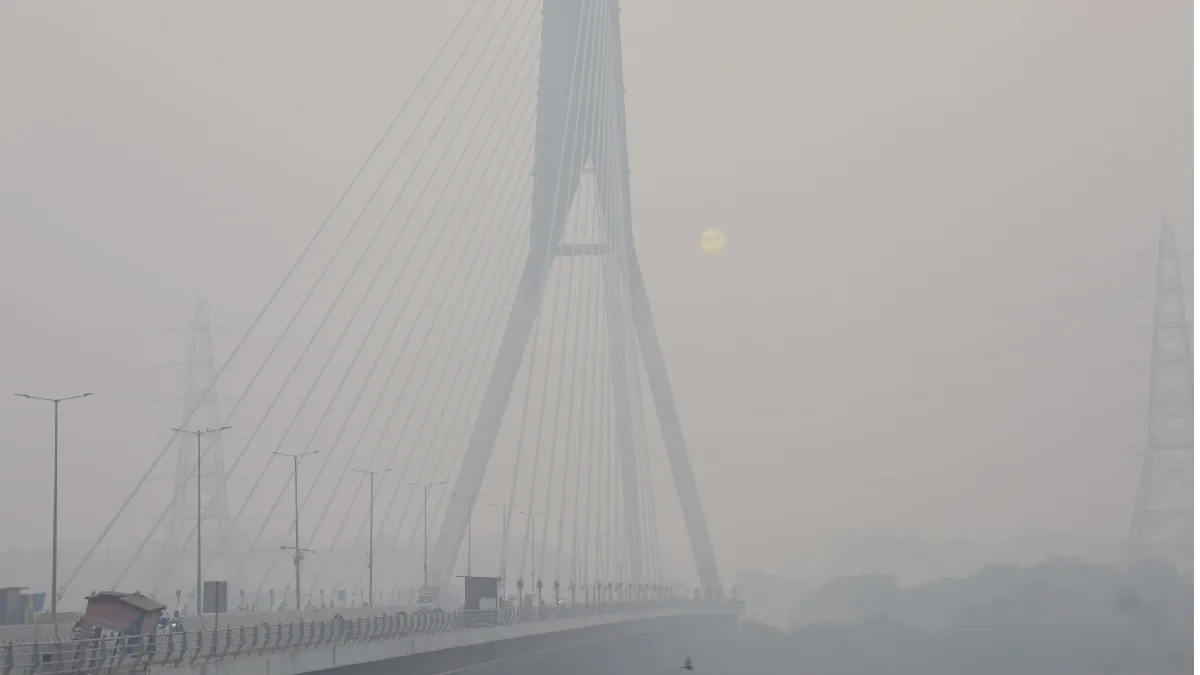
Hiph pollution levels in Delhi post Diwali File Photo
Delhi’s morning after Diwali has become a ritual of irony. The festival that celebrates the triumph of light over darkness now ends in a haze so thick that dawn itself seems extinguished. This year was no exception. Despite judicial restraint, official advisories, and the promise of “green crackers,” the capital awoke to the familiar sting of smoke and the taste of ash. The city’s Air Quality Index hovered around 360, several times higher than what any health standard would consider tolerable.
It is easy to attribute the smog to the bursting of firecrackers, but the truth is deeper and more uncomfortable. Delhi’s air crisis is cumulative, not episodic. Vehicular emissions, industrial pollutants, and stubble burning in neighbouring states already create a toxic baseline. In that setting, even a few hours of fireworks are not a celebration, they are an accelerant. The court’s decision to permit “eco-friendly” crackers was meant as a compromise between faith and caution. Yet, moderation fails where excess is already built into the air we breathe. The aftermath reveals how fragile enforcement remains when sentiment is pitted against science. Despite time restrictions, fireworks continued well past midnight. Crackers that were supposedly banned were sold and used freely.
Advertisement
Police advisories gave way to festive indulgence, and the night sky once again became a battlefield of sound and smoke. It was not lawlessness in the criminal sense ~ it was something subtler and perhaps more dangerous: a collective willingness to look away. Each year’s haze is not an accident but a reflection – of indifference layered over helplessness, repeated until it feels inevitable. This failure is not only administrative; it is cultural. Over the years, air pollution has become so normalised that outrage now flickers briefly and dies down like the last sparkler in a child’s hand. Delhi’ites wake up to grey skies, share their AQI readings on social media, and retreat indoors to air purifiers, an urban adaptation that masks rather than mitigates the crisis. Awareness has grown, but empathy for the environment has not kept pace.
Advertisement
At its heart, the pollution debate is no longer about crackers alone. It is about what kind of society India wishes to be in its pursuit of celebration and progress. The moral of Diwali ~ that light must dispel ignorance ~ feels betrayed when knowledge itself fails to guide action. Technology may someday offer cleaner celebrations, but the will to change must precede invention. A truly luminous Diwali would be one where the joy of the festival does not come at the cost of the next morning’s breath. That requires courage, not to defy tradition, but to evolve it. The diya, after all, has survived millennia without the aid of gunpowder. Perhaps it is time to rediscover its quiet brilliance and let the night sky, not the smog, bear witness to the light we claim to honour.
Advertisement