Kali Puja immersion leads to tension in Panihati
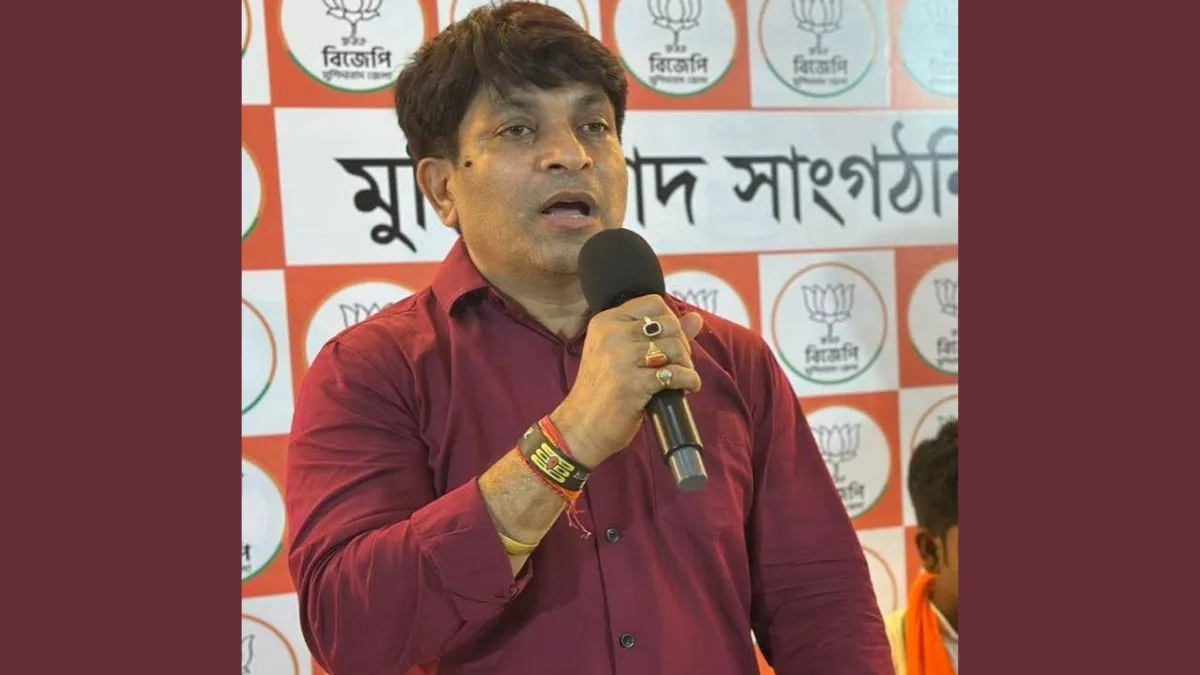
Tension gripped Panihati on Friday night after a local Trinamul Congress (TMC) youth leader allegedly assaulted four residents during a Kali Puja idol immersion.
The barren rocks of the Deccan have transformed into a new “Kalikhetra,” as the growing Bengali diaspora celebrates Kali Puja with great fervour in the twin cities of Hyderabad and Secunderabad.




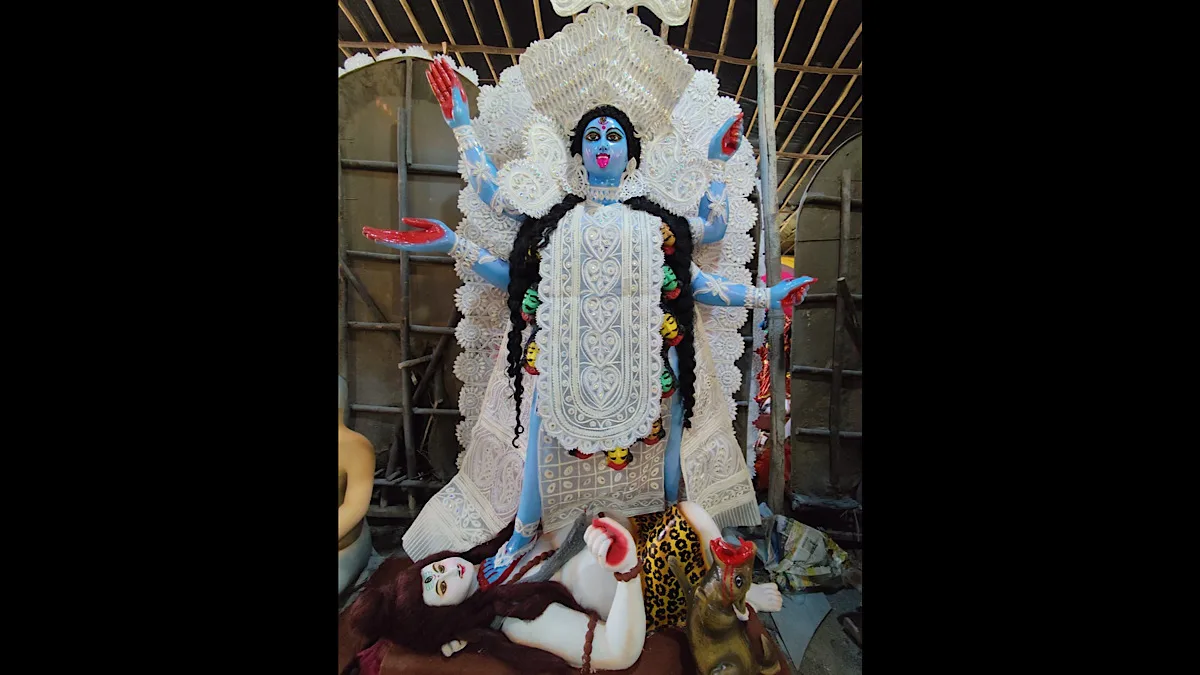
Kali Puja
The barren rocks of the Deccan have transformed into a new “Kalikhetra,” as the growing Bengali diaspora celebrates Kali Puja with great fervour in the twin cities of Hyderabad and Secunderabad.
In recent years, the number of Kali Pujas in the city has risen sharply, along with the temples dedicated to the fiery goddess who embodies the essence of Shakti. Usually held on a new moon night, the Puja has now evolved into a three-day-long festival, no less grand than Durga Puja.
Advertisement
Even a decade ago, Kali Puja in Hyderabad was a low-key affair, with Diwali taking precedence due to the dominance of North Indian families who had made the city their home since the Nizam era. The Bengali community, however, also has deep roots here, dating back to the time when Aghornath Chattopadhyay, father of Sarojini Naidu, migrated to Hyderabad to become the principal of the newly established Nizam’s College.
Advertisement
While the city’s defence establishments brought Bengali engineers and scientists, it was the rise of the IT sector that truly drew the younger generation to Hyderabad. Their enthusiasm has significantly scaled up the festivities.
Earlier, Kali Puja was confined to the Hyderabad Kalibari at Sainikpuri and a few clubs. But this year, the city boasts nearly 40 Pujas. A new Kali temple spread over three acres in Shamshabad, modelled on the Dakshineswar Temple and built by the goldsmith community, draws large crowds during this period. The Bharat Sevashram Sangha and Ramakrishna Math at Lower Tank Bund also attract throngs of devotees.
Among the clubs, Uttarayan at Ameerpet stands out with its spectacular pandal and three-day-long celebrations starting from Bhoot Chaturdashi. The club, which began organising Kali Puja 47 years ago, now sees a daily footfall of nearly 10,000 visitors.
Its in-house choir starts rehearsing even before Durga Puja to present its own eclectic performances alongside those by noted vocalists and musicians. The idol depicts Dakshina Kali, and the rituals are followed strictly—from pran pratishtha to immersion.
“Uttarayan is a socio-cultural organisation, and our goal is to bring the community closer and grow together through this Kali Puja,” said club president Aniruddha Sengupta. The atmosphere is reminiscent of Durga Puja at Maddox Square, with numerous food stalls serving Kolkata street delicacies and the usual buzz of adda continuing late into the night.
Another major organiser, Bangiya Sanskritik Sangha (BSS) in Secunderabad, also conducts a three-day celebration. The club’s Kali Puja began in 1986, while its Durga Puja dates back to 1965 and has since evolved into a grand cultural spectacle featuring celebrity performers. “Even during the late-night bhog distribution, around 2,000 people are usually waiting,” said Deepak Bhattacharya, president of BSS.
Several new Pujas have also emerged in gated communities and clubs across the IT and financial districts—Narsingi, Manikonda, Miyapur, Nizampet, Bandlaguda, Kukatpally—as well as in areas like Bachupally, Kompally, and Attapur, marking the festival’s growing footprint across the city.
Advertisement