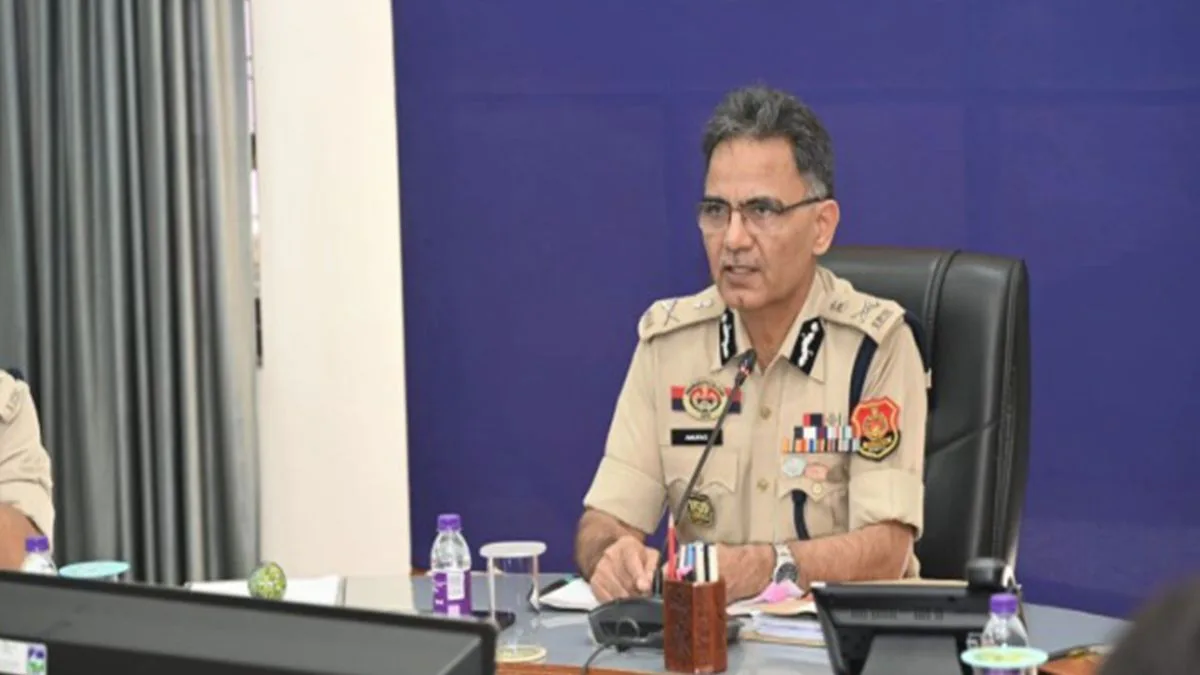
Union Women & Child Development Min reviews cleanliness measures at office premises
The Union Minister said a well-maintained workplace is key to efficiency and a positive work environment.
“A healthy mother gives birth to a strong generation; when every household’s plate is balanced, the nation becomes stronger,” she said.




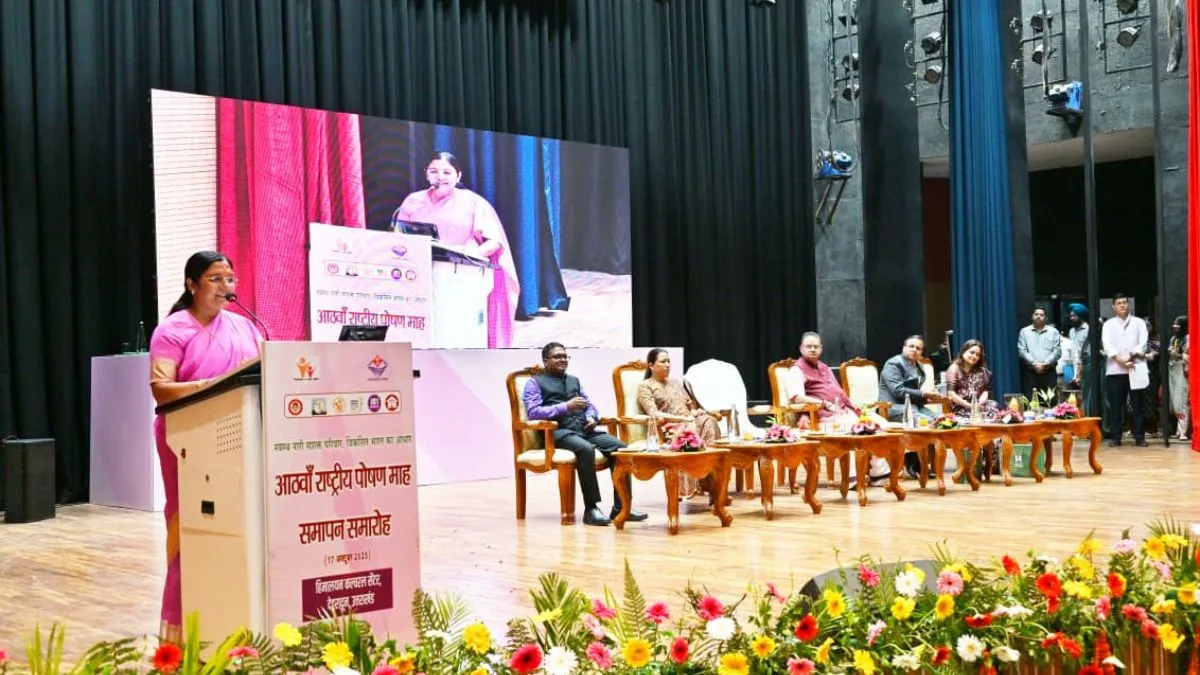
Photo: IANS
Union Minister of State for Women and Child Development Savitri Thakur Friday said that nutrition is not merely a programme, it is our national responsibility and moral commitment towards every child and mother in India.
“A healthy mother gives birth to a strong generation; when every household’s plate is balanced, the nation becomes stronger,” she said.
Advertisement
Thakur was addressing the gathering during the concluding ceremony of the 8th Rashtriya Poshan Maah 2025, organized at the Himalayan Cultural Centre, Dehradun. The event marked the culmination of a month-long Jan Andolan dedicated to nutrition awareness, community participation, and behavioural change.
Advertisement
Addressing the gathering, Thakur highlighted the first 1,000 days, from conception to two years of age, as the most crucial period for a child’s growth and development.
Focusing on the theme of ‘Healthy Women, Strong Families’, the minister said that women are the foundation of every family. Referring to the ‘Mann Ki Baat’ programme, she mentioned that obesity has become a major challenge, and Poshan Maah aims to make nutrition a people’s movement through community participation.
She said that this year’s Poshan Maah was particularly inclusive, with men and youth also participating actively alongside women. “Today’s well-nourished children are the citizens of a Suposhit Bharat in 2047,” she remarked. She also appreciated the ‘Beti Bachao, Beti Padhao’ campaign and called for collective action against social evils like child marriage.
Thakur praised the active participation of States and Union Territories during Poshan Maah and lauded the dedication of Anganwadi workers and field functionaries, emphasizing that the campaign’s end marks a new beginning of a sustained movement that should reach every household in India.
The Minister said that according to National Family Health Survey-5 data, India has shown a notable decline in key malnutrition indicators — stunting has reduced from 38.4% to 35.5%, and underweight prevalence has dropped from 35.8% to 32.1%.
Advertisement