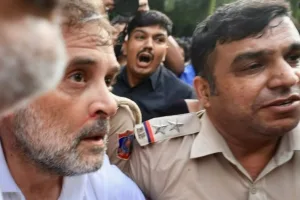
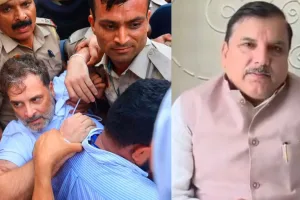
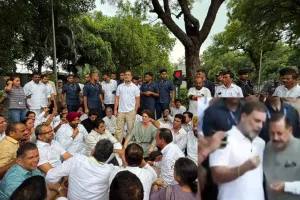
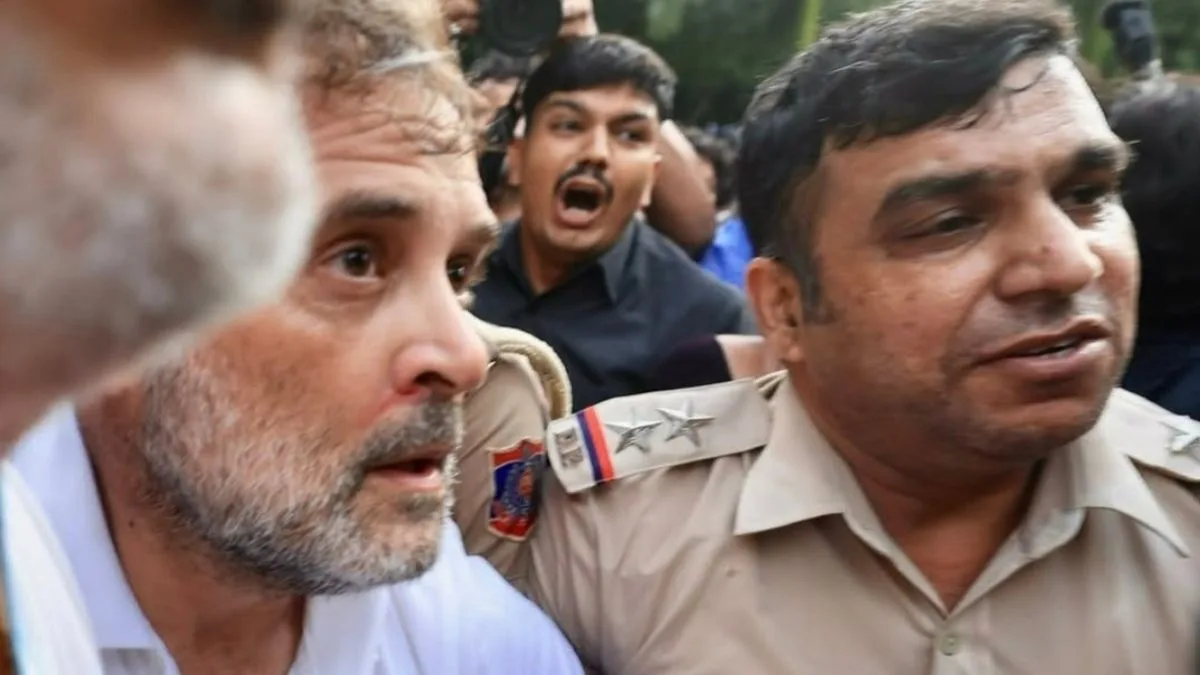
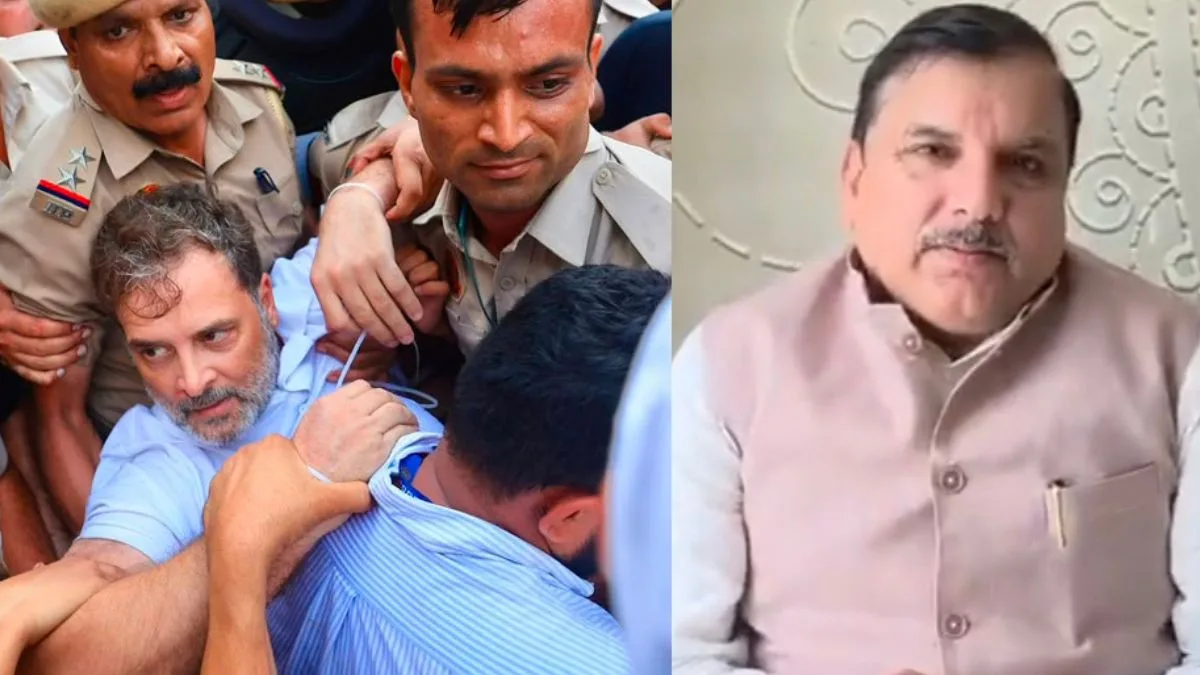
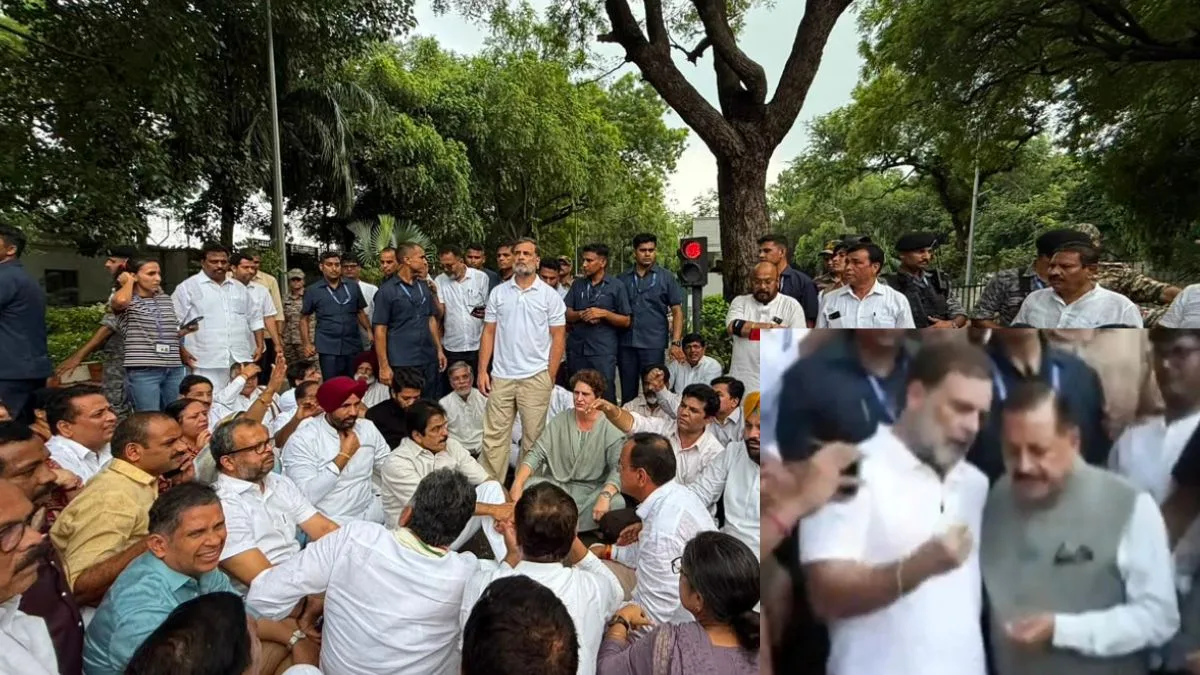
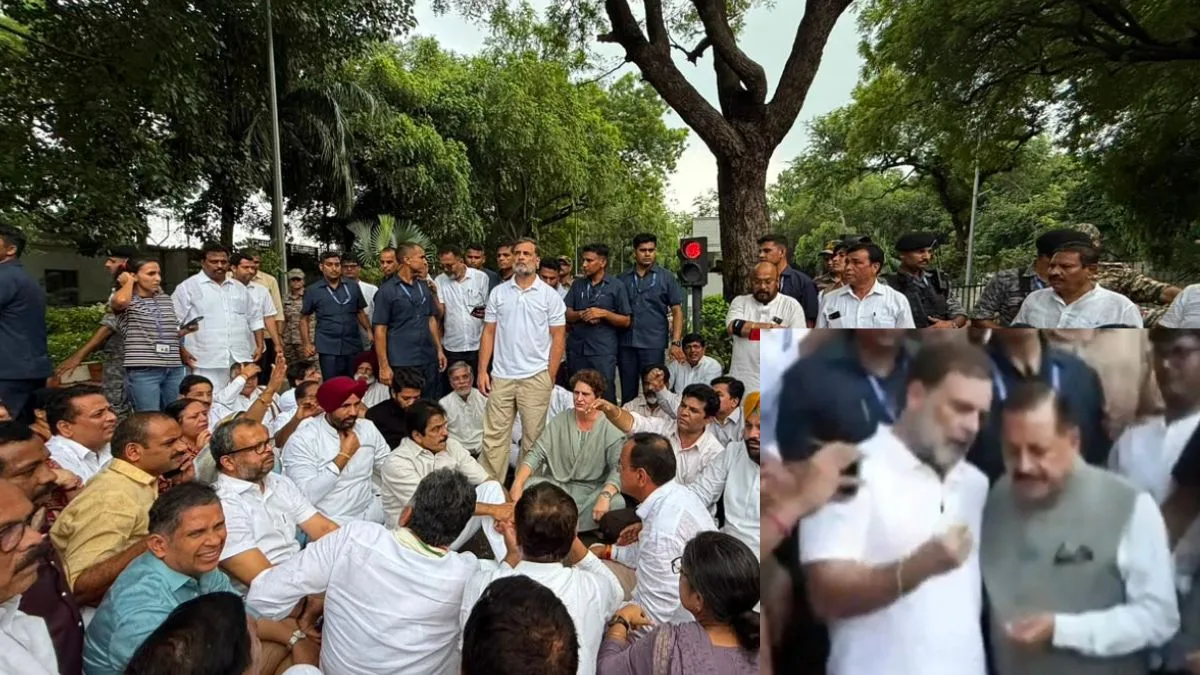
CJP’s Parliament march loses its script at Jantar Mantar, splinters into scattered protests
Student groups and Opposition workers formed a sizeable crowd, but the promised procession towards Parliament never emerged as one organised march.
He directed the Delhi Police and the Drugs Control Department to launch a special drive in coordination with other agencies to make identified drug-affected pockets and clusters completely drug-free.




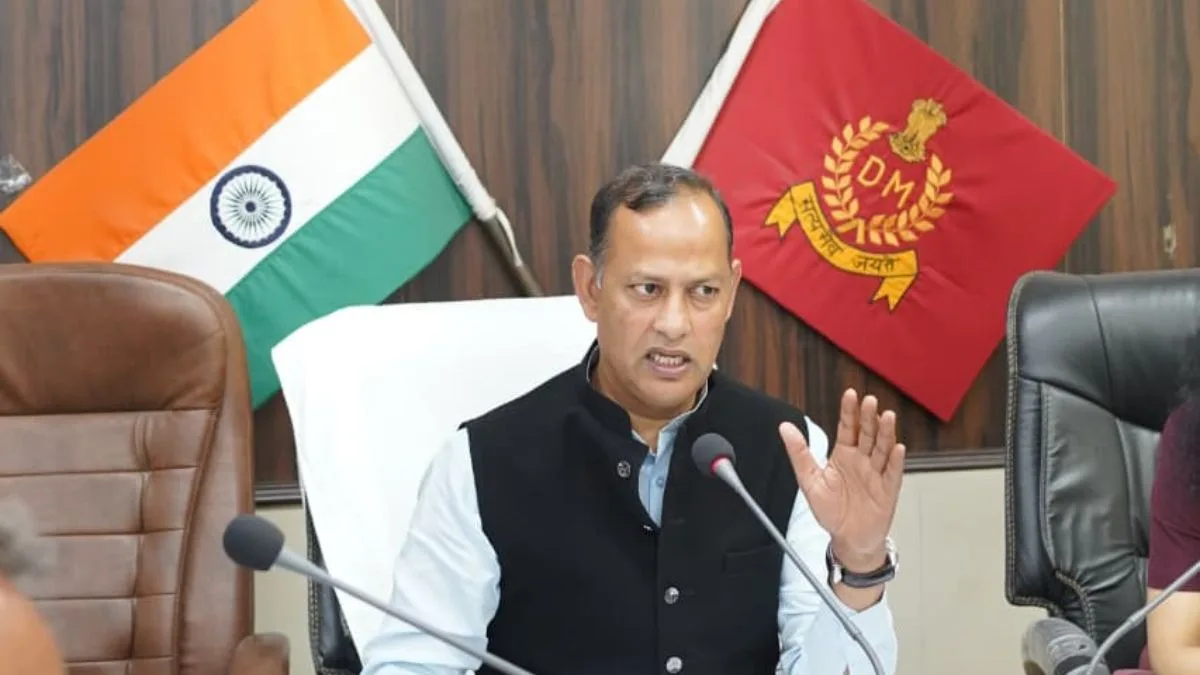
File Photo
Delhi Government’s Minister for Social Welfare Ravinder Indraj Singh chaired a review meeting on Monday to assess the progress and strategy of the de-addiction campaign in the North-West district.
He directed the Delhi Police and the Drugs Control Department to launch a special drive in coordination with other agencies to make identified drug-affected pockets and clusters completely drug-free.
Advertisement
Indraj said that such areas would become models for the entire city, adding that he would personally inspect these zones on a regular basis.
Advertisement
The Minister instructed the police to take strict action against those involved in the sale of illicit drugs, especially within affected pockets and clusters.
He emphasized fixing accountability of beat officers in hotspot zones and directed the police to share lists of identified dark spots for intensive surveillance and monitoring.
The Minister gave instructions to the Social Welfare Department for organizing extensive awareness campaigns against drug abuse in collaboration with police, administration, volunteers, and NGOs.
He urged youth icons and parents to work together to keep adolescents and young people away from substance abuse.
To safeguard students, Indraj instructed that the sale of tobacco products within 100 meters of school and college campuses be strictly prohibited and closely monitored.
He directed the Education and Higher Education Departments to take this initiative seriously and advised educational institutions to establish “De-Addiction Clubs” and declare their campuses “Drug-Free Zones.”
The Minister reiterated the commitment to make Delhi drug-free as part of the “Nasha Mukt Bharat Abhiyan,” under the leadership of Prime Minister Narendra Modi.
He urged all departments to work in close coordination to achieve the goal of “Drug-Free Delhi – Drug-Free India.”
The Minister also directed the agencies concerned for strict monitoring of sale of intoxicating substances at medical stores and other outlets, and instructed for concrete steps to be taken to prevent substance abuse in public places such as parks and other areas.
Advertisement