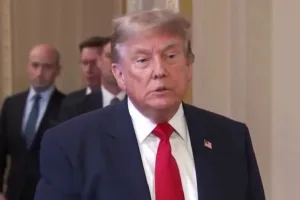
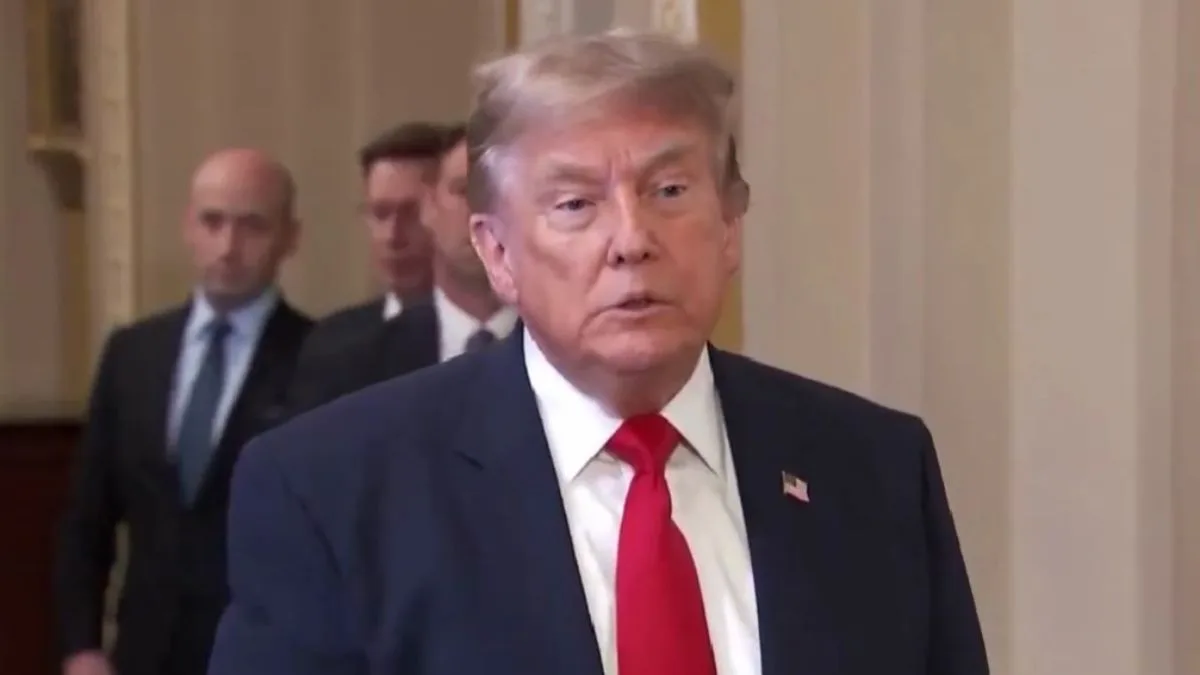
In a world grown cynical about ceasefires, the Gaza peace deal announced this week stands out as a moment few believed possible. What makes it remarkable is not just the outcome ~ the end of one of the most destructive conflicts in decades ~ but the improbable path that led to it. President Donald Trump, a leader long dismissed as impulsive and anti-diplomatic, has emerged as the unlikely broker of calm where seasoned statesmen failed.
The breakthrough rests as much on his personal style as on the shifting ground realities in the region. It took audacity to move the process forward when all else seemed lost ~ and a certain disregard for the conventions that often paralyze formal diplomacy. At the core of Mr Trump’s success lies leverage: his close bond with Israeli Prime Minister Benjamin Netanyahu, his longstanding business and political relationships across the Gulf, and his ability to apply pressure on both sides without fear of domestic backlash. Former President Joe Biden’s “bear hug” strategy had sought the same balance, but it lacked the shock factor and the threat that President Trump wielded with ease. The Doha airstrike in September, which almost derailed talks, became the inflection point.
Advertisement
Mr Trump’s ultimatum to Mr Netanyahu, to halt the war or lose Washington’s cover, reversed a year-long Israeli offensive logic. It was a warning few American Presidents have dared to issue. At the same time, his rapport with Qatar, Saudi Arabia and the UAE secured Arab endorsement for a peace formula that even included a cautious reference to eventual Palestinian statehood. What has emerged, in effect, is a new style of crisis diplomacy – one that fuses threat and persuasion, bypassing protocol in favour of fast, transactional bargaining aimed purely at results.
The Arab response this time is also different. Fatigue, economic pressure, and the visible collapse of Gaza’s infrastructure have pushed regional actors to privilege reconstruction over rhetoric for the first time in years. The deal may be fragile, but it resets the diplomacy of West Asia in important ways. Europe’s reassertion, especially France’s coordination with Saudi Arabia, forced Washington to adapt to a multipolar peace architecture. Mr Trump, in turn, has shown a rare willingness to share credit, folding parts of the French-Saudi initiative into his 20-point Gaza plan.
It also reveals a paradox: the very qualities that once made Mr Trump appear unfit for diplomacy ~ his impulsiveness, transactional instinct and disdain for nuance ~ may have enabled him to cut through the moral hesitations that defined earlier US efforts. The true test, however, lies ahead. Implementing Hamas disarmament, rebuilding Gaza and defining the contours of Palestinian governance will demand patience, something Mr Trump’s diplomacy often lacks. The ceasefire is less a conclusion than a fragile beginning. Yet, for a region long accustomed to perpetual conflict, even a flawed peace offers a glimmer of possibility.