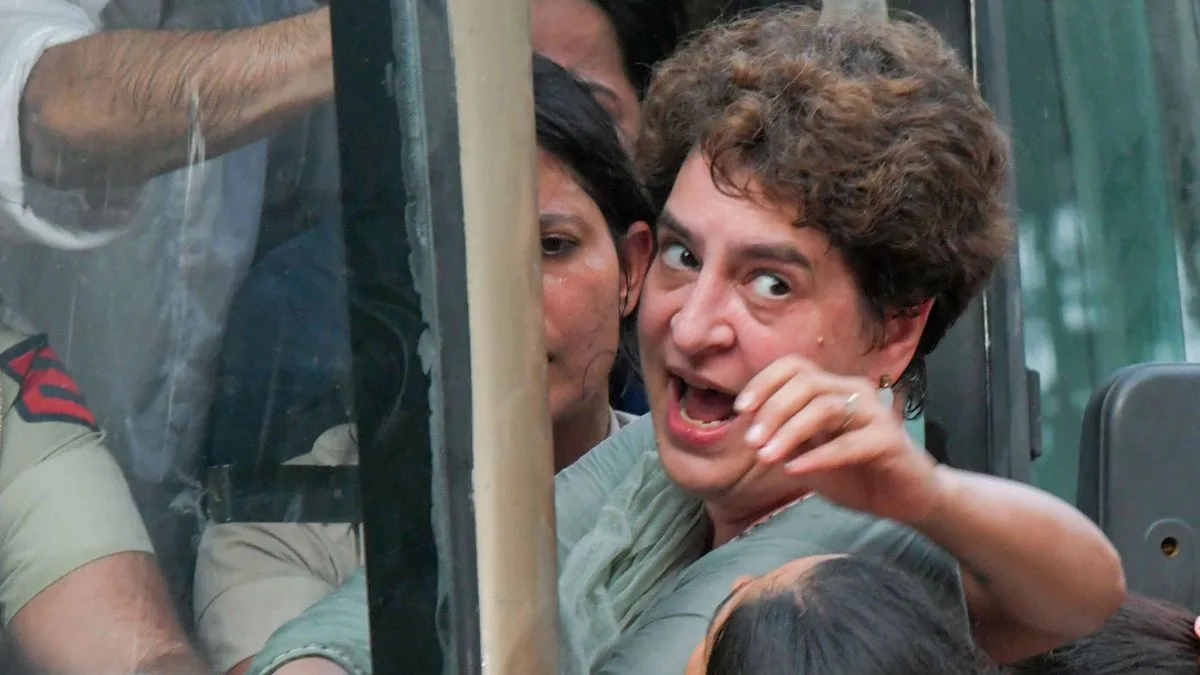
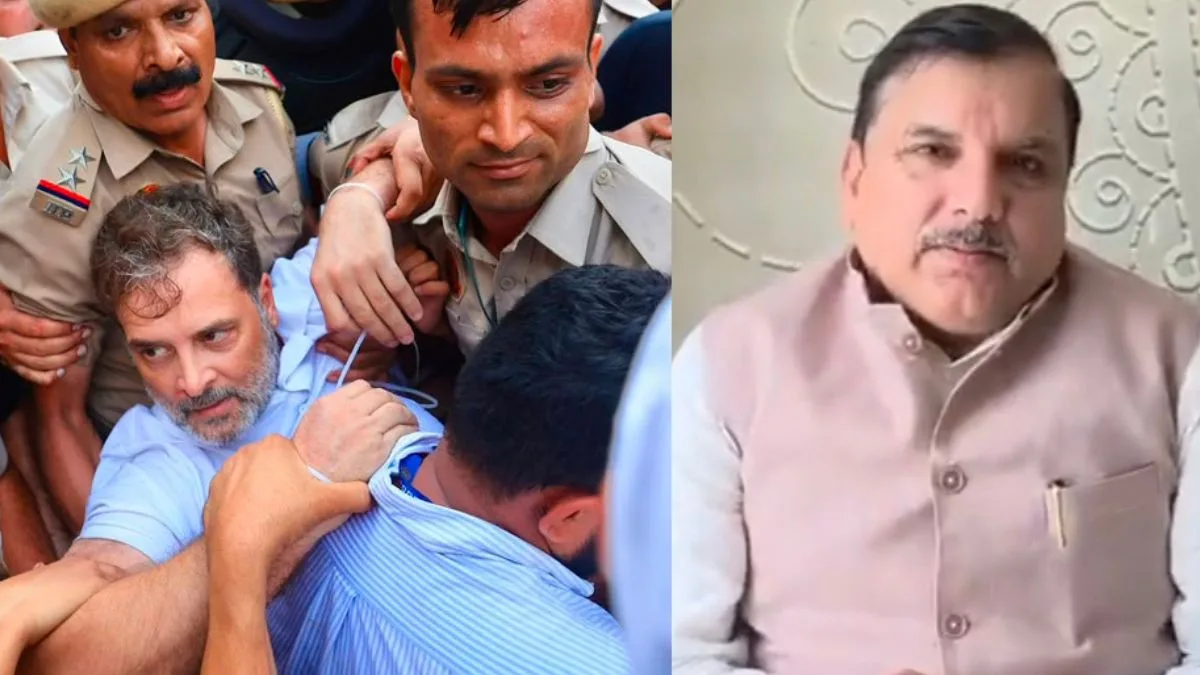
Mamata’s call for anti-BJP unity at Martyr’s Day rally junked by Congress, Left
Bengal BJP president Samik Bhattacharya said Mamata Banerjee should first focus on uniting her own party before attempting to forge an opposition alliance.
The retirement of India’s MiG-21 fighter marks the end of an era that shaped the country’s military identity as much as its strategic choices.




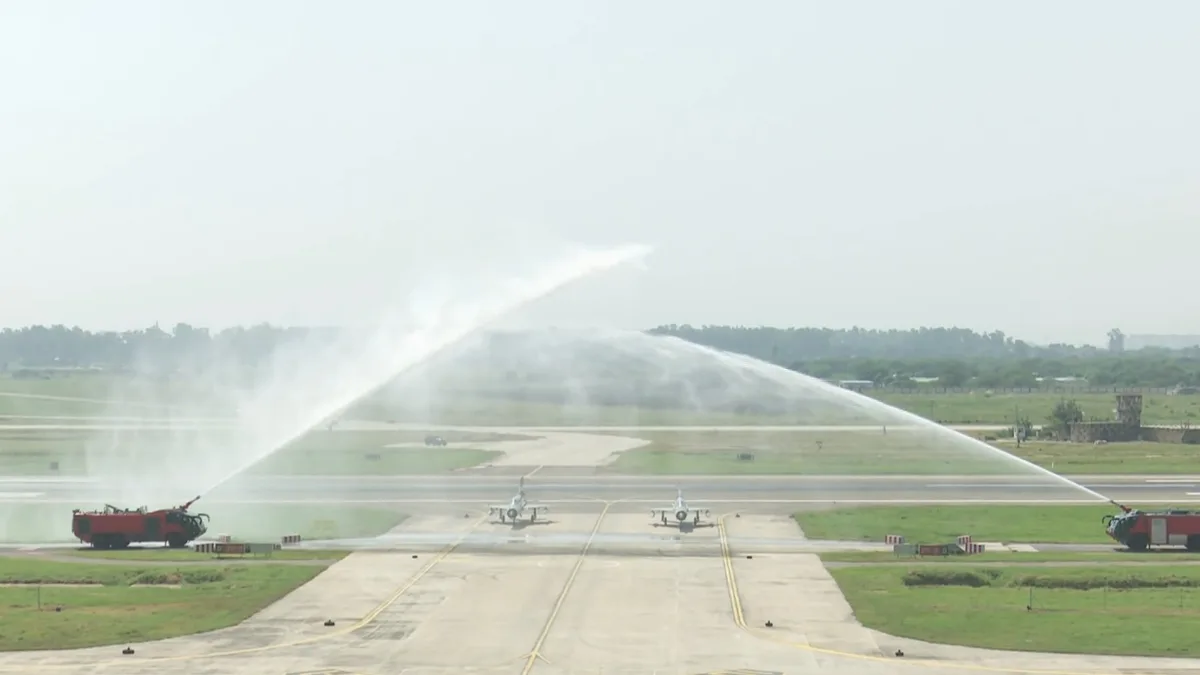
IAF bids farewell to MiG-21 fighter jets
The retirement of India’s MiG-21 fighter marks the end of an era that shaped the country’s military identity as much as its strategic choices. When the needle-nosed jet first entered service in the early 1960s, it catapulted the Indian Air Force into the supersonic age. Designed for speed and altitude, it was capable of soaring to the edge of the stratosphere and streaking across the sky at twice the speed of sound.
For a generation of young pilots, it was not just a machine but a rite of passage, a test of nerve and skill that fused man and metal in the unforgiving theatre of air combat. The arrival of the aircraft transformed India’s air power. Built under license in domestic factories, it offered unmatched versatility in a region still adjusting to post-colonial realities. In war after war ~ from the 1960s through the 1971 Bangladesh conflict and beyond ~ the MiG-21 proved its mettle as an interceptor, a ground attacker, and a symbol of a nation capable of mastering complex technology.
Advertisement
It also deepened defence ties with Moscow, creating a supply chain and industrial ecosystem that would underpin Indian aviation for decades. But the very jet that once embodied modernity gradually became a cautionary tale. Ageing airframes, stretched maintenance cycles, and a notoriously high landing speed turned a proud workhorse into a dangerous relic. Hundreds of crashes over the years claimed pilots and civilians alike, earning the fighter an infamous reputation even as its admirers defended its agility and raw performance. Each accident was a painful reminder of how sentiment and strategic delay can cost lives.
Advertisement
The decision to keep the MiG-21 flying well beyond its optimal lifespan reflects a deeper malaise. Plans for a domestic light combat aircraft were floated as early as the 1980s, yet bureaucratic delays and shifting priorities meant replacements arrived decades late. Instead of a smooth transition to newer platforms, the Air Force was forced to extend the MiG’s service life repeatedly, even as squadron numbers fell below sanctioned strength. Nostalgia and necessity combined to keep an ageing warhorse in the sky long after prudence dictated its retirement.
As the last squadrons stand down, India faces a dual challenge. It must rapidly rebuild fighter strength to maintain credible deterrence, and it must draw lessons from the MiG-21’s overstay. Indigenous programmes must be shielded from bureaucratic drift, procurement must become more agile, and the emotional attachment to past icons must never override operational safety. The MiG-21 gave India the wings of a modern air force and the confidence of technological mastery. Its sunset should inspire not just ceremonial farewells, but a renewed commitment to foresight, self-reliance, and the courage to let go when an era has truly ended.
Advertisement