Doctors at MGH Jaipur save yet another life, this time even before birth
Doctors at the Mahatma Gandhi Hospital (MGH) here yet again performed a rare life-saving medical feat. They saved a life, this time, even before birth.
While the government has rolled out infracture for healthcare that reaches the entire country, in several parts of the country its actual reach in remote villages continues to be unsatisfactory.




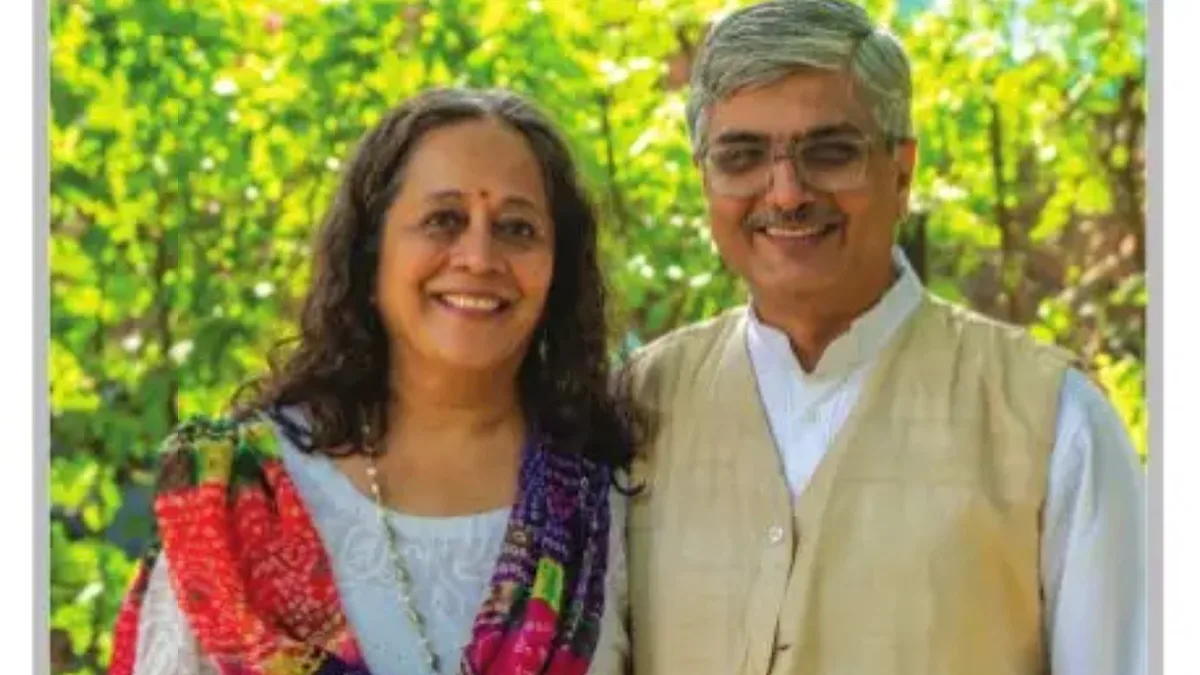
Photo:SNS
While the government has rolled out infracture for healthcare that reaches the entire country, in several parts of the country its actual reach in remote villages continues to be unsatisfactory. Recognizing this reality, the government too has been exploring various options of improving the situation from time to time. Several approaches and models created by teams of doctors and other health professionals have been tried in this context, including the widely appreciated work of several renowned doctors.
One such widely discussed health initiative is that of a voluntary organization Basic Healthcare Services (BHS). This initiative, which can be said to be based on the AMRIT approach or AMRIT clinics, started in 2012 in south Rajasthan. Over the last 13 years or so its work has steadily consolidated and although it continues to struggle with challenges old and new, its achievements resulting in saving thousands of lives have been widely appreciated. Dr. Pavitra Mohan, co-founder and director of BHS had earlier led the child health programme of UNICEF in India. He emphasizes three aspects of any such initiative. Firstly, the health needs of the poorest should be prioritized, or the ‘last person’ should get the ‘first priority’.
Advertisement
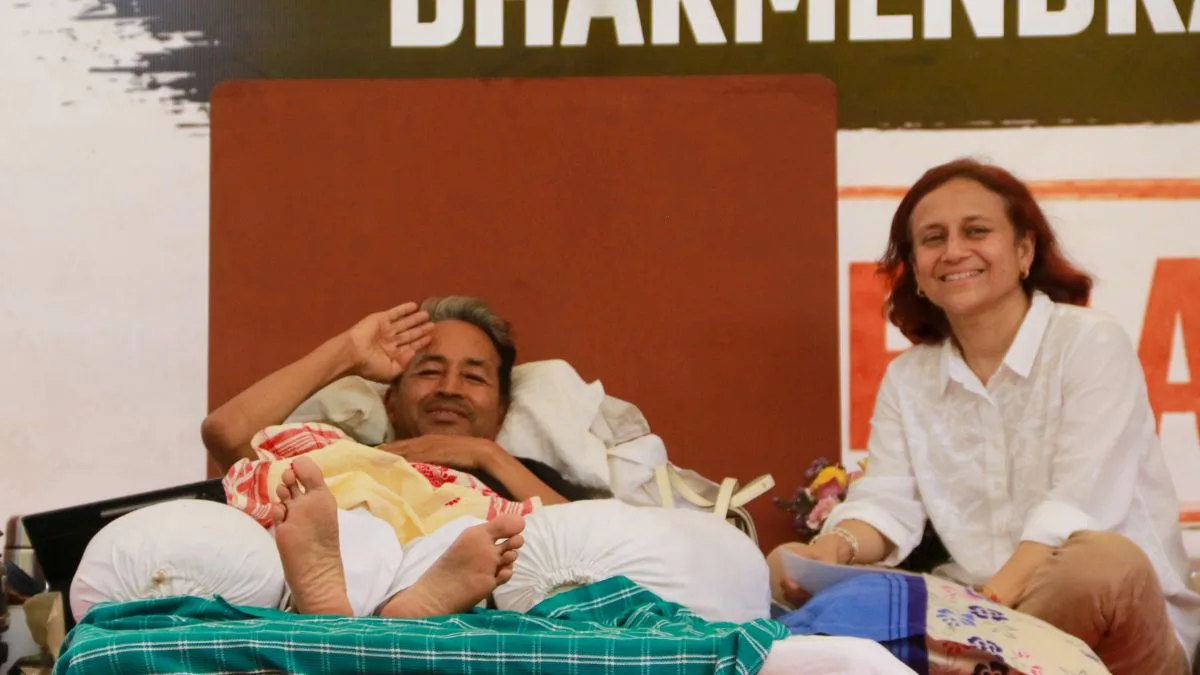
Secondly, the initiative should be based on recognizing the right to health of all people. Thirdly, such an initiative should be highly participative so that the community’s real and priority needs can be properly understood by all those involved in the health initiative. Dr Sanjana Mohan, another co -founder, (see photograph) emphasize that in such people-based health initiatives dignity and trust are very important. The success of such initiatives, she says, should be seen more in terms of their more durable and lasting impacts, not just temporary gains.
Advertisement
BHS has six clinics in Udaipur and Salumbur districts, most of these in the midst of villages with tribal communities constituting most of the population, with high levels of poverty, malnutrition, disease burden and migrant labour. After considerable discussion it was decided that clinics would be led by nurses, helped by the weekly visit of one or two physicians and round – the – clock phone consultations with BHS doctors. Then Nurses , with adequate qualifications improved by BHS training, are selected, broadly speaking , from with the communities with which they work. Apart from attending to patients in day clinics, nurses are also available for night-time emergencies.
They can consult BHS doctors any time on phone or by video calls. They refer patients with more serious problems to hospitals in Udaipur where a BHS staffer is specially posted to provide help to any such patient whenever this is needed, particular at the initial stage of hospital admission. Nurses are assisted at the clinic and in villages by health workers. Village-based female health workers called ‘health ray’ or swasthya kiran play a particularly important role.
Thus, with four nurses providing the base, a clinic functions effectively with support from doctors on the one hand and female and male health workers on the other hand, helped further by village advisory committees, peer groups and partner organizations. There are also phulwari or nutrition and play centres for small children in many villages. There is strong logistics support from the BHS head office to ensure the ready supply of medicines and other requirements. Three out of six clinics are able to provide X-rays on the same day with the help of clinic-level availability of a portable X-ray machine, while efforts to arrange this for the other clinics are being made.
Most lab tests are available in the clinic, while efforts to provide sputum tests are also being made. Meanwhile, arrangements exist with other labs for rompt and speedy availability of these tests. This is a low-cost model which can help patients in even better ways if the benefits of government’s free medicine schemes, maternity benefit schemes and other schemes are extended to this initiative. At present a typical patient has to pay Rs. 50 for a weekly consultation including supply of medicines for the week.
This often has to be subsidized by the organization. What is even more important is that no one is refused care because of inability to pay. Once it is known that the patient is too poor to pay, various charges are waived. The results of this approach during the last 13 years have been encouraging. The preventive aspects of healthcare promoted by health workers are important in the context of malaria, TB and other diseases. On the whole the AMRIT experience has been highly appreciated in the context of health needs of remote villages. One of its clinics despite its very remote location is also accredited for safety and quality by the National Accreditation Board of Hospitals and Health Care Providers.
It is encouraging that nurses have lived up to the high level of trust and confidence reposed in them. By and large the nurses are selected from the same tribal communities from which the patients come. Hence they are familiar with the socio-economic conditions and cultural norms of the people whom they serve and are also deeply sympathetic to their needs. While recently visiting some of these clinics, I spoke to some of these nurses.
One of them, Ganga, working in Bagdunda clinic, said that one day she got a phone call from a man saying that he was coming to the clinic with his wife who was in a very late of pregnancy. But she had developed unbearable pain and was now lying on the roadside. Leaving the clinic to the care of fellow-nurses, Ganga rushed to the spot. With her assistance, both the mother and the baby could be saved. Another recent occasion Ganga remembers is when a woman came for delivery in such a serious state that there was no time for referral to a bigger hospital.
So, she rang up BHS doctors for advice and following their instructions, performed the essential procedures, saving both mother and child. Chandrabhanu , a nurse in Salumbar district, is an even more inspiring example of not giving up efforts in difficult circumstances as despite suffering twice from cancer, she continued her efforts for providing medical care and contributed significantly to improving health services at a government primary health centre which was being helped by the BHS to improve. She has also advanced professionally to be the mentor to nurses of three clinics.
Community health workers have also important contributions in important areas like reducing malnutrition and ensuring that TB patients complete their treatment properly. At Rawach clinic, health workers gave examples of some serious cases of TB patients whose successful treatment has been completed. (The writer is Honorary Convener, Campaign to Save Earth Now. His recent books include Man over Machine, When the Two Streams Met, Planet in Peril and A Day in 2071.)
Advertisement