Nine killed in landslides, shooting stones in J&K
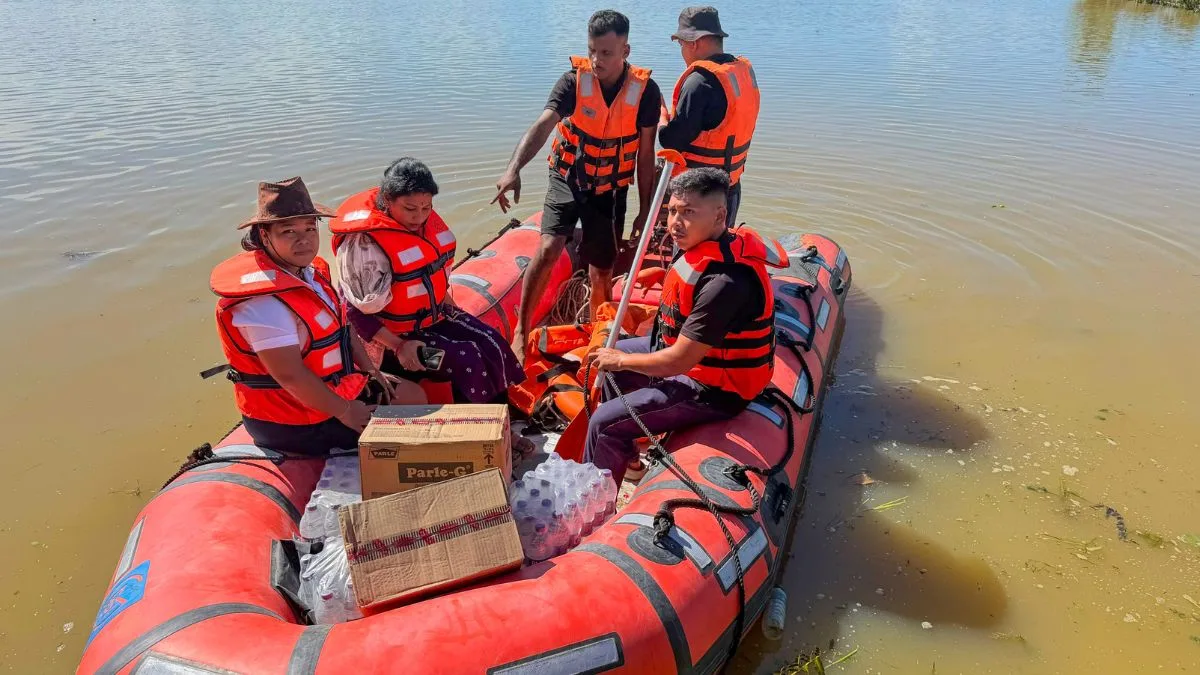
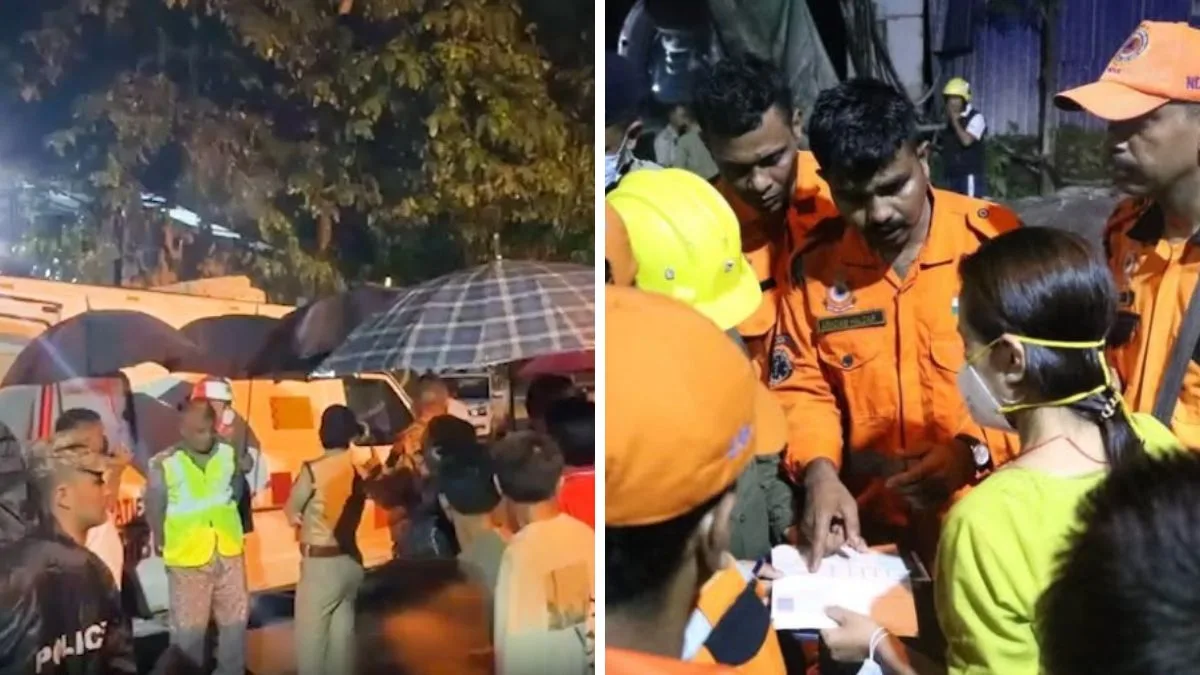
Nine people were killed in the Jammu division on Monday in landslides and shooting stones triggered by incessant rains in the Poonch and Doda districts.
The Chief Minister chaired a high-level meeting to take a comprehensive review of flood relief and restoration measures across Jammu and Kashmir.





File Photo: ANI
Chief Minister Omar Abdullah on Monday said that permanent restoration of infrastructure and restoration of livelihoods hit during the recent incidents of cloudbursts and landslides across Jammu and Kashmir would be taken up on a war footing once a comprehensive package is approved by the Government of India.
The Chief Minister chaired a high-level meeting to take a comprehensive review of flood relief and restoration measures across Jammu and Kashmir.
Advertisement
He directed all departments to expedite their assessment so that projections for relief and restoration could be submitted to the Government of India without delay. He enquired about the funds released during the floods and was informed that in several districts, these funds have been utilized in temporary restoration works. Stressing the importance of durable solutions, he directed the Jal Shakti Department to avoid temporary fixes and instead focus only on permanent restoration of water supply schemes.
Advertisement
He also reviewed the safety audit of schools undertaken after the floods, calling for the certification process to be fast-tracked. The Chief Minister was informed that the slow movement of traffic on the Jammu-Srinagar highway has been on account of poor road conditions on certain stretches and not deliberate.
Divisional Commissioner Jammu, Ramesh Kumar, presented the situation in the Jammu Division, reporting several human and heavy material losses. He said the floods claimed 150 lives, left 178 people injured, and 33 missing, with Kishtwar recording the highest number of casualties.
Housing losses were severe, with more than 4,200 homes fully damaged and over 8,600 partially damaged, the worst-hit districts being Udhampur and Jammu. Livestock losses stood at 1,455, and crops over 1,300 hectares were damaged.
It was informed that financial assistance exceeding Rs 40 crore has been disbursed from the State Disaster Response Fund, with an additional Rs 3.35 crore provided from the CM Relief Fund. Restoration work is underway across sectors, with over 2,700 km of roads and more than half of the damaged bridges already temporarily restored. Permanent restoration of roads and bridges is estimated at nearly Rs 893 crore. The power sector was also badly affected, with over 49,000 distribution transformers hit—almost all of which have now been restored. More than 2,000 water supply works were damaged, with around 1,600 temporarily restored, requiring nearly Rs 195 crore for permanent restoration.
The education sector also bore the brunt of the floods, with more than 8,800 schools audited for safety. Over 5,500 have been issued safety certificates, of which around 5,200 were deemed safe, while 758 were declared unsafe.
Earlier, Divisional Commissioner Kashmir Anshul Garg presented a detailed report on the impact of the floods. He informed that losses in the Kashmir division included 16 houses which were fully damaged, 57 severely damaged, and 791 partially damaged, with relief already disbursed in all cases. One life was lost, for which compensation has been provided, while three other deaths in related incidents in Anantnag were compensated through the Red Cross. The meeting was informed about losses to livestock, damage to cattle sheds, and compensation disbursed in these cases.
Giving details of infrastructure damage, it was informed that nearly 90 km of roads were affected across 279 road stretches, of which 52 have been restored, while the rest are under repair. Eighty-seven bridges and culverts were also damaged, with more than half already restored.
Advertisement