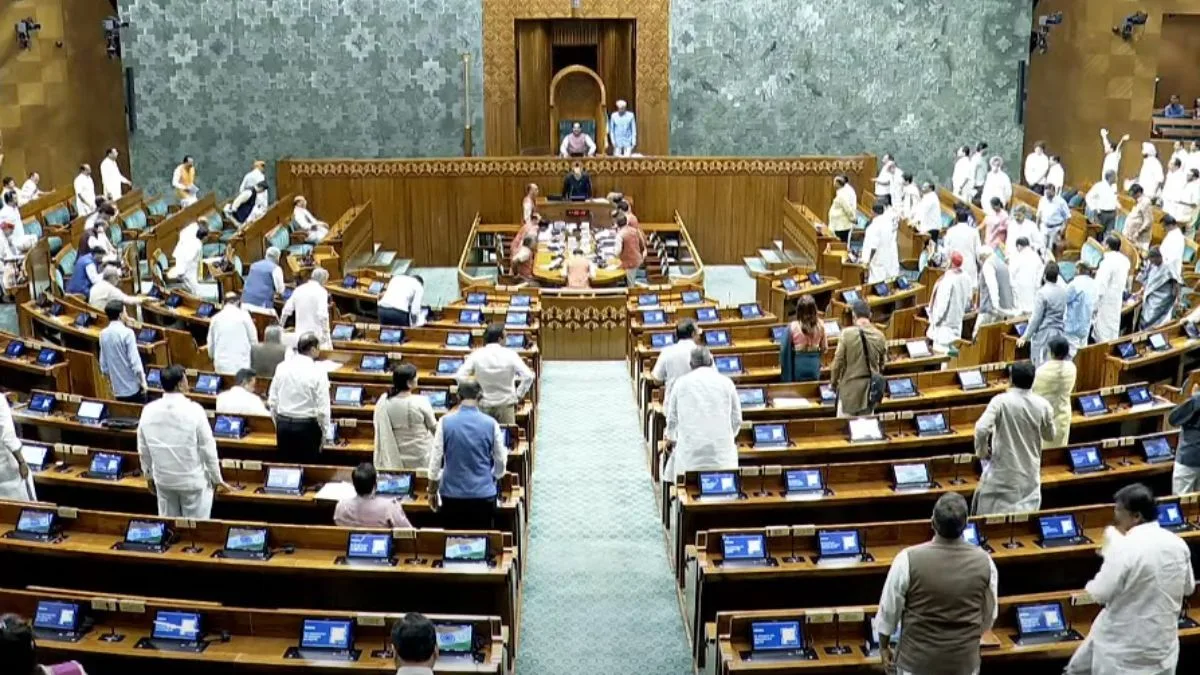
Renowned experts Arvind Panagariya, Chairman of the Sixteenth Finance Commission, Surjit S Bhalla, Former Member of PMEAC, and Montek Singh Ahluwalia, Former Deputy Chairman of the Planning Commission of India, will share their insights on Wednesday with the Joint Committee of Parliament examining the Constitution (One Hundred and Twenty-Ninth Amendment) Bill, 2024.
The bill seeks to empower the Election Commission to conduct simultaneous elections for Lok Sabha and all State Assemblies, potentially reducing election frequency and promoting governance stability.
Advertisement
The Constitution (One Hundred and Twenty-Ninth Amendment) Bill, introduced in Lok Sabha on December 17, 2024, proposes amendments to Articles 83, 172, and 327 of the Constitution. Key features include:
Elections for Lok Sabha and State Assemblies will be held together, with the President notifying the appointed date after the first sitting of Lok Sabha post-general elections.
If Lok Sabha or a State Assembly is dissolved before its full term, fresh elections will be held for the remaining term, ensuring alignment with the next simultaneous election cycle.
The Election Commission may recommend postponing elections for a particular State Assembly, with the President issuing an order for a later date. The Assembly’s term will still align with the Lok Sabha’s term.
The bill aims to reduce costs, minimize disruptions, and promote policy continuity. However, experts have raised concerns about potential anti-democratic effects, marginalization of regional parties, and challenges in implementing simultaneous elections. The Joint Committee’s examination will consider these aspects and provide recommendations for the bill’s implementation.