The Delhi government has identified 18 bus routes for rationalization with technical support from IIT Delhi to make the trans-Yamuna region commuter friendly, reduce congestion, and improve last mile connectivity.
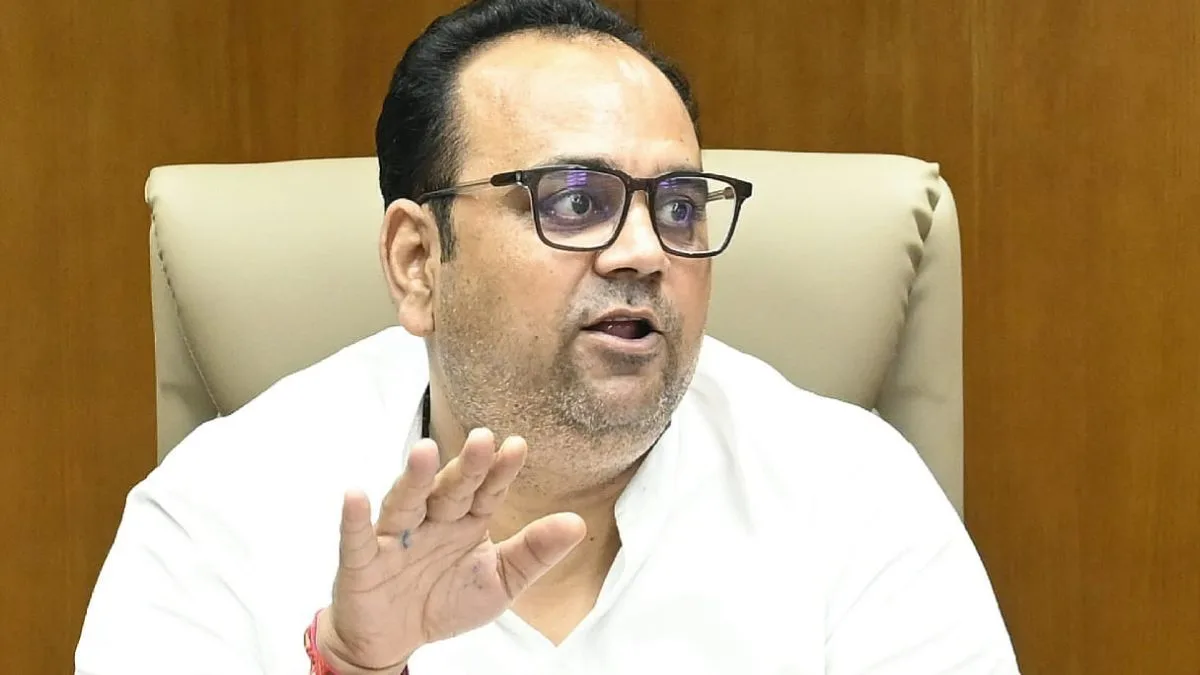
The initiative is being steered by Transport Minister Pankaj Kumar Singh, which is going to strengthen integration with metro stations and key industrial hubs.
Advertisement
This route rationalization has been strategically designed to extend bus services to maximum uncovered areas, bringing relief to several localities that were previously less connected, and also touching over a thousand bus stops, thereby ensuring inclusive and accessible public transport for all.
This is being done under Prime Minister Narendra Modi’s vision of development for the national capital and leadership of Chief Minister Rekha Gupta, with an aim to improve connectivity amongst those places from where people faced difficulty in commuting.
Under this rationalization plan, the routes have been identified from three major depots including East Vinod Nagar, Shastri Park and the Ghazipur Depot.
From the East Vinod Nagar Depot, eleven routes have been identified that include, (i) Patparganj Industrial Area to Priyadarshini Vihar, (ii) Ganesh Nagar to Shastri Park Metro, (iii) Karkardooma Metro Station to New Mandoli Industrial Area, (iv) Usmanpur-2 Pushta to Mandoli Jail Road, (v) Anand Vihar ISBT to Akshardham Metro Station, (vi) Mayur Vihar Phase 1 to Mayur Vihar Metro Station, (vii) Geeta Colony to Mansarovar Park Metro, (viii) IP Extension Metro to New Ashok Nagar, (ix) East Azad Nagar to Tahirpur Xing, (x) Preet Vihar Metro to Preet Vihar, and (xi) New Ashok Nagar Metro to New Ashok Nagar(Metro Connectivity).
Similarly, from the Shastri Park Depot, 4 routes have been designed that are Seelampur Metro Station to Shiv Vihar, Maujpur-Babarpur to Karawal Nagar-T, Gokulpuri Metro Station to Sabhapur Village, and Maujpur-Babarpur to Maujpur-Babarpur Metro.
Likewise, 3 routes have been suggested from the Ghazipur depot, which are Ghazipur Dairy Farm to Mayur Vihar Phase 1 Metro, Anand Vihar Metro to Harsh Vihar Jail Road, and Ashok Nagar Extension to Metro Station.
According to the transport minister, these routes have been carefully designed to improve last-mile connectivity, reduce traffic congestion, and provide direct connectivity to industrial hubs such as New Mandoli, Patparganj, and Tahirpur, while ensuring that underserved residential clusters are better integrated with Delhi Metro services.
In line with the government’s focus on green and seamless mobility, electric buses are being introduced to strengthen the bus fleet, benefiting lakhs of daily commuters.
The minister said, “This route rationalisation is an important step towards making the Trans-Yamuna area commuter-friendly and reducing congestion. Our focus is to provide reliable, affordable, and last-mile green mobility solutions to every citizen of Delhi.”
“We have already added 3,800 electric buses in the last six months since assuming office, which has significantly strengthened last-mile connectivity. In the next six months, Delhi will witness a visibly improved and robust public transport system,” he added.
Alongside, we are also working on fixing the Outer Ring Road, which will provide much-needed relief.