In Mathura’s Jait village, where the story of Krishna and the serpent Kaliya has been told for centuries, Uttar Pradesh Tourism opened a new chapter with a three-day Familiarisation (FAM) Trip on September 10 — one that places rural India at the centre of global conversations on tourism and cultural exchange.
The experience began in Jait with a traditional Braj welcome of chandan tilak, garlands, and folk songs. At the sacred Kaliya Nag Temple, prayers were offered and Krishna’s legendary encounter with Kaliya was narrated by storyteller Ritesh Gautam. The delegation also visited Jai Kund, a historic pond linked to Braj’s cultural landscape.
Advertisement
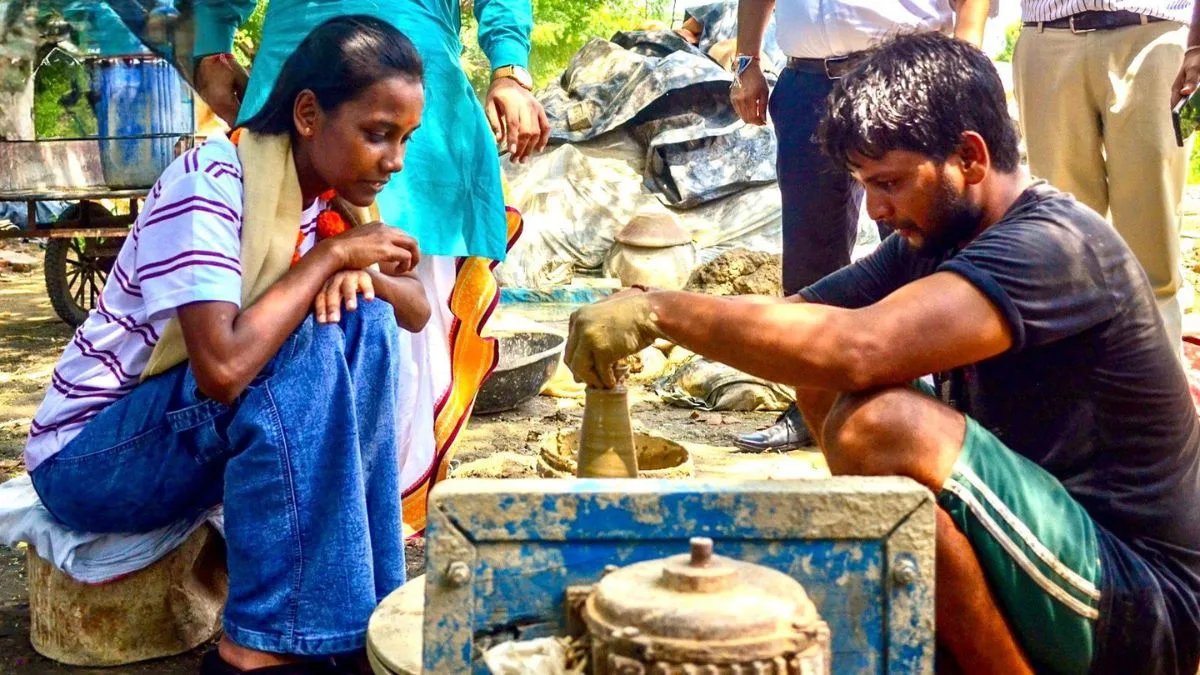
Guests then engaged directly with local self-help groups, learning pottery, crafting Tulsi malas, seeing Tulsi farming, and exploring the making of Laddu Gopal poshak (traditional attire for Krishna). At Bhagya Shree Tulsi outlet, they observed how SHGs are turning local craft into sustainable livelihoods. The day concluded with Shri Homestay, where the visitors enjoyed Braj cuisine, interacted with hosts about facilities and hygiene, and joined villagers in Krishna bhajans, transforming dinner into a cultural celebration.
The itinerary also included a visit to the ISKCON temple in Mathura, where spiritual heritage blends with modern tourism, before the delegation spent the night in a registered farm stay under the Rural Tourism Project.
The group then travelled to Mainpuri, with a stop at the Taj Mahal in Agra en route, underscoring how iconic monuments and rural circuits can complement each other. In Bhanwat village, the guests visited Jakhdar Mahadev Temple, explored local homestays, and observed water chestnut farming — a seasonal rural livelihood. In Sahan village, they experienced bullock and horse cart rides and explored traditional crafts like Takashi, gaining insight into the rhythms of rural enterprise.
On September 12, the delegation will proceed back to Delhi after another en route stop at the Taj Mahal, concluding the three-day journey with experiences that tied rural immersion to one of India’s strongest global tourism symbols.
UP Tourism and Culture Minister Jaiveer Singh said, “Through rural tourism, our villages will create jobs, preserve culture, and welcome the world. Jait shows how India’s villages can stand at the centre of our global tourism appeal.”
Dr. Nirmala Ranasinghe, Associate Professor at Nara Prefectural University, Japan, and part of the Sri Lankan delegation, remarked, “This visit showed how culture, community, and sustainability can move together. Jait has proven that villages can be classrooms for the world — we take back lessons of responsible and soulful travel.”
The Jait FAM Trip illustrates a larger transformation across Uttar Pradesh, which has identified 240 villages as tourism hubs, registered 103 farm stays, and is facilitating over 750 homestays. More than 285 youth have been trained in hospitality at Manyawar Kanshiram Institute of Tourism Management (MKITM), ensuring grassroots skills meet global expectations. Last year, Uttar Pradesh welcomed 65 crore domestic visitors, with rural experiences recording nearly a 10 per cent rise.