The emergence of a fresh ceasefire plan in West Asia has created a narrow window for de-escalation in the Gaza war. Hamas is said to have signalled willingness to accept the framework, but whether this moment can be converted into lasting peace depends largely on Israel’s response and the readiness of mediators to bridge the gulf between the two sides. The obstacles, however, remain formidable. Israel has made clear that it will only agree to an arrangement in which all hostages are freed at once.
The government faces mounting pressure from families desperate for their loved ones’ return, yet it is equally determined not to appear as though Hamas has extracted concessions under fire. Prime Minister Benjamin Netanyahu has pledged nothing short of dismantling Hamas, ensuring Israeli security control over Gaza, and preventing any future Palestinian administration tied to existing leadership. Against this backdrop, a phased release of hostages, however humane it might appear, does not easily align with Israel’s stated red lines.
Advertisement
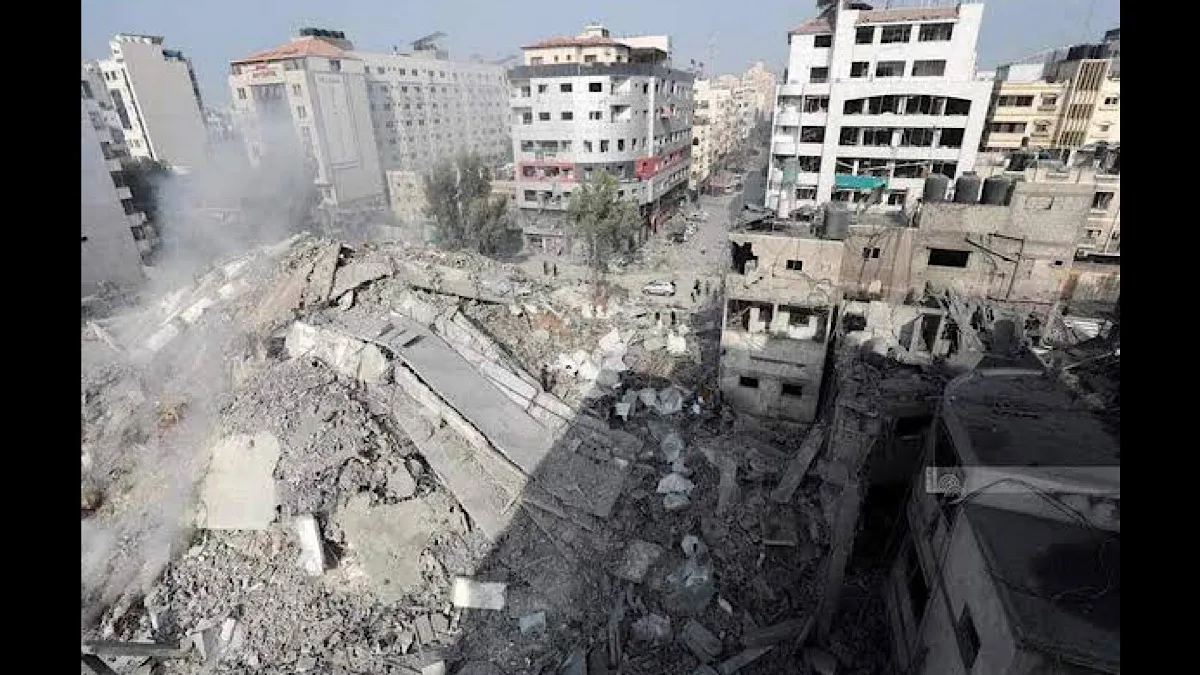
Meanwhile, the humanitarian catastrophe in Gaza continues to deepen. With most homes damaged or destroyed, hospitals collapsing, and food insecurity tipping into famine, Palestinians find themselves in a battle not for political leverage but for basic survival. Protests from within Gaza have made it clear that ordinary people yearn not for strategic victories but for safety, dignity, and relief from unrelenting violence. Pressure is also mounting inside Israel. Vast crowds have taken to the streets in recent weeks, demanding a deal to bring the hostages home and to end the war. Families of captives warn that another major offensive, particularly in Gaza City, could imperil those still alive.
Their voices highlight the human cost of delay: every passing day risks extinguishing what fragile hope remains for the hostages’ safe return. Mediators in Cairo and Doha are acutely aware of the urgency. By extracting a signal of acceptance from Hamas without amendments, they have managed to create a diplomatic opening where few existed. Yet such openings are inherently fragile. Unless Israel is prepared to display flexibility, the effort will stall, leaving the battlefield – not the negotiating table ~ to dictate outcomes. The broader lesson is clear: wars framed in terms of total victory rarely yield stable conclusions. Absolute conditions eliminate the space for compromise, even when compromise is the only path to halting destruction.
A phased truce may be imperfect, but it offers a chance to slow the bloodshed, return at least some of the hostages, and test whether longer-term arrangements are possible. If rejected outright, the region risks being dragged deeper into an endless cycle of escalation, where both hostages and civilians pay the price for uncompromising demands. Those who can influence Israel and Hamas must step forward now. The choice is stark. Accepting an imperfect pause could save lives and open the door, however slightly, to political dialogue. Insisting on absolute outcomes risks ensuring only unending war.