Gill steps out of Ro-Ko’s shadow; seizes his moment with a captains’ knock
What was billed as a series to assess India’s seasoned stars has quickly turned into an opportunity for Shubman Gill to stamp his authority on the ODI captaincy.
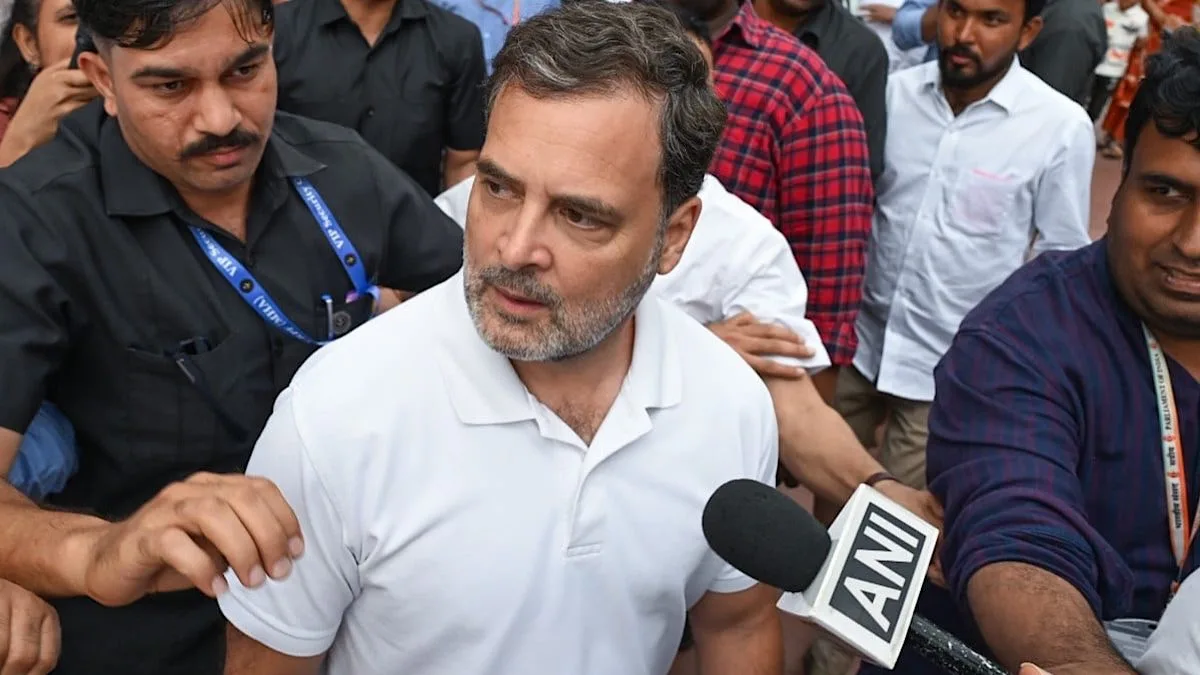
Congress leader Jairam Ramesh on Saturday took to social media to shed light on the history of electoral rolls in India.





File Photo: IANS
Congress leader Jairam Ramesh on Saturday took to social media to shed light on the history of electoral rolls in India.
In a post on X, he shared insights from Israeli academic Ornit Shani’s book, “How India Became Democratic,” which details the preparation of electoral rolls before the first General Elections in 1951-52.
Advertisement
Ramesh emphasized the crucial role played by the Franchise Section of the Constituent Assembly Secretariat, led by Benegal Narsing Rau, in coordinating the preparation of electoral rolls. The section’s members, including S N Mukerjee, K V Padmanabhan, P S Subramanian, A A Abdi, and Brij Bhushan, are referred to as the “Unsung Heroes of India’s Democracy” by Shani.
Advertisement
The preparation of electoral rolls began in early 1948 and gained momentum when Sukumar Sen became India’s first Chief Election Commissioner in March 1950. Sen’s report on the first General Elections in India, published in February 1955, is considered essential reading for understanding the electoral process.
Ramesh’s post comes amid concerns over the current electoral process, particularly with regards to the Special Intensive Revision (SIR) of electoral rolls in Bihar. The Congress leader has been vocal about the potential disenfranchisement of voters, especially the poor and marginalized, due to the SIR process.
Recently, the Supreme Court directed the Election Commission to consider including Aadhaar, ration cards, and electoral photo identity cards as admissible documents for voter verification in Bihar.
Ramesh hailed the Supreme Court’s decision as a victory for voters, saying it will save a vast majority from being disenfranchised. He also criticized the Election Commission for its “spin” on the matter, claiming that the poll body’s headline management was “deliberately misleading.”
Advertisement