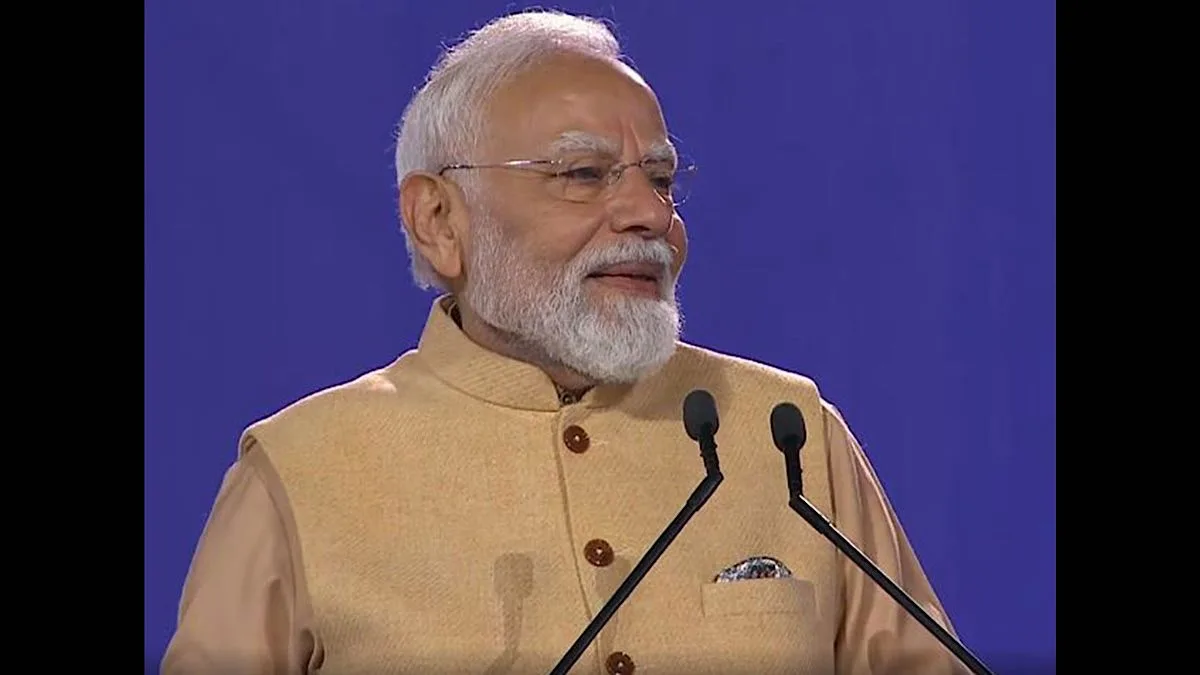
In the forests of Gumla, Jharkhand – once infamous for Maoist violence – a quiet transformation is underway. Om Prakash Sahu, a resident of Kumbhari village in Basia block, has become a symbol of that change. His journey from holding a gun to holding fishing net was praised by Prime Minister Narendra Modi in the latest episode of his monthly radio programme Mann Ki Baat.
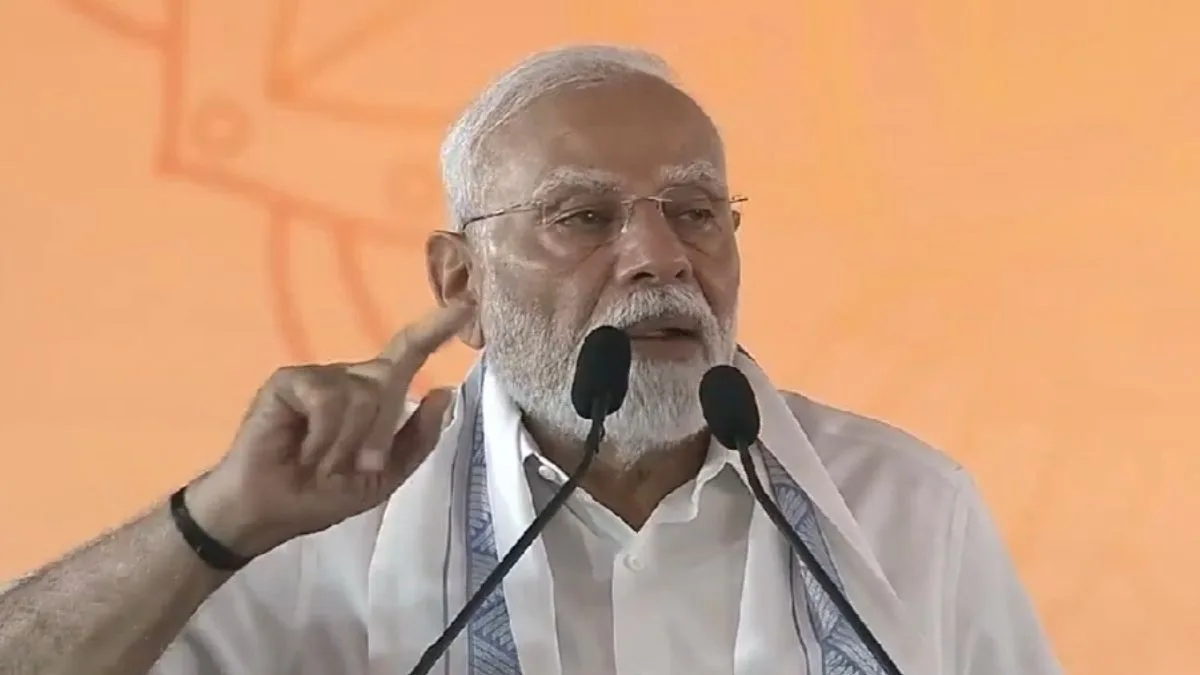
“There was a time when people here held guns. Now, they hold fishing nets,” the prime minister said, referring to Om Prakash’s decision to quit the path of violence and embrace fish farming. His mention in the national broadcast has brought the spotlight on a region once known more for militancy than for model livelihoods.
Advertisement
In 2008, the situation in Basia was grim. The influence of PLFI rebels was strong, villages were turning into ghost towns, and the youth were either migrating or being drawn into the ranks of armed groups. During this time, a government-led initiative encouraged the formation of peace committees, or Shanti Samitis, arming locals with licensed weapons to resist Naxal influence. Om Prakash was one of them.
But his real resistance came not through the barrel of a gun, but through the courage to change course. Tired of living under constant threat, he laid down his arms and began fish farming. It was not an easy path — he faced opposition, threats, and skepticism from within his community. Yet, with the help of the Prime Minister Matsya Sampada Yojana and support from district officials, he received training and assistance to dig fish ponds and build a sustainable enterprise.
Today, more than 150 families in the Basia region have taken up fish farming, many inspired by Om Prakash’s resolve. Among them are former rebels who once picked up guns but now cast nets instead.
The ripple effect has reached the women of the region too. Preeti Kumari, Babita Devi, and Charki Devi, once engaged in domestic chores, ventured into fish farming after watching others succeed. With government subsidies and three-day training, they began raising fish in small ponds. In 2023–24, they constructed larger ponds under the same scheme. Currently, these women manage 12 ponds spread across 7.5 acres, raising over 50,000 fish fingerlings. Their produce supplies several blocks in Gumla, generating direct and indirect employment for over 30 locals and giving each family an annual income of ₹4–5 lakh.
On Sunday, when the prime minister praised these efforts, BJP leaders and residents in Ranchi celebrated the recognition. Many expressed pride that Jharkhand –often in the news for conflict – was being acknowledged for transformation and resilience.
But for Om Prakash, recognition is secondary. His satisfaction lies in the change he sees around him: where fear once ruled, livelihoods now flourish. His story is not just about quitting violence — it’s about building a future that others can believe in.
As PM Modi said, “Sometimes the brightest light emerges from the darkest corners.” In the quiet ponds of Basia, that light now reflects off the water’s surface, one ripple at a time.