Pakistan: Crypto dispute emerges in foreign women gangrape case involving Dy PM Ishaq Dar’s relative
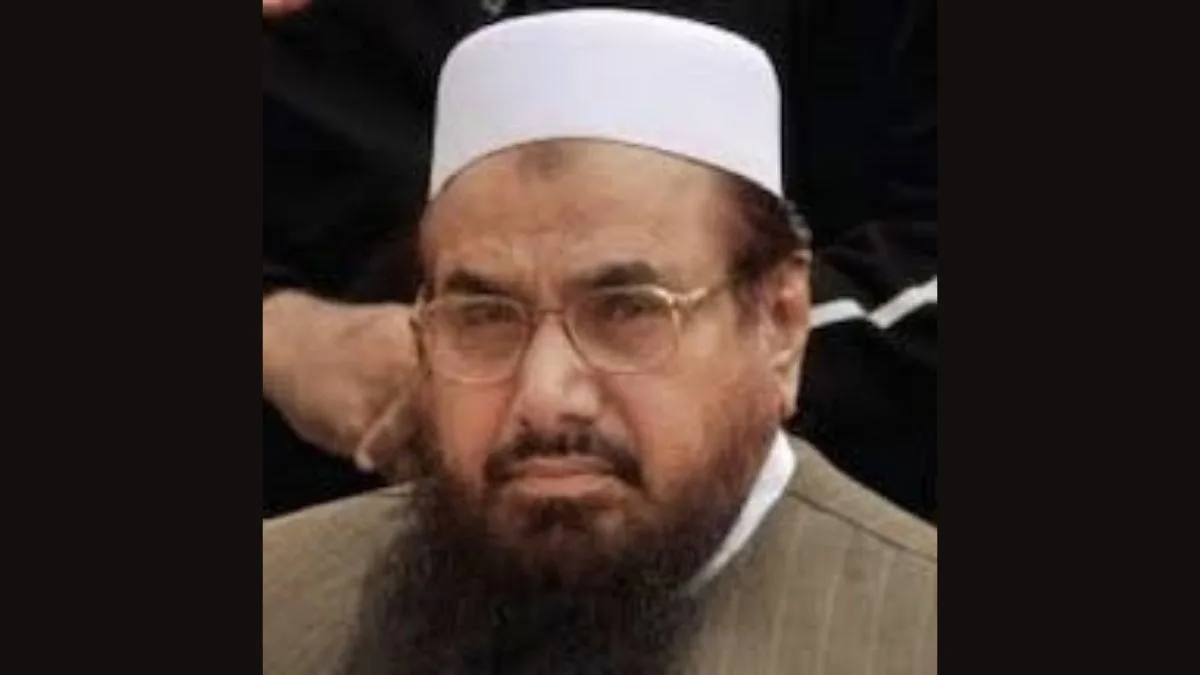
Muhammad Raza Dar, a key accused in the matter, is a relative of Pakistan's Deputy Prime Minister and Foreign Minister Ishaq Dar.
Every time India reacted to Pakistan-backed terrorist strikes, it raised the benchmark. What began as ‘Kadi Ninda’ pre2014, became a cross-border strike after Uri in 2016 and Balakote in 2019, finally ending up with damaging and destroying Pakistan’s strategic assets in Operation Sindoor.





Photo:SNS
Every time India reacted to Pakistan-backed terrorist strikes, it raised the benchmark. What began as ‘Kadi Ninda’ pre2014, became a cross-border strike after Uri in 2016 and Balakote in 2019, finally ending up with damaging and destroying Pakistan’s strategic assets in Operation Sindoor. Each time Pakistan prepared for a repeat of the last attack with modifications, the result was far more powerful and damaging.
Despite achieving success, India left Pakistan with a window to avoid admitting defeat, and saving face domestically on the basis of its narrative. The aim was never to humiliate Pakistan but to convey a strong message to its leadership, hoping it would be taken. Operation Sindoor was no different. An added concern for India this time was open military support from China which apart from its equipment also provided inputs including electronic, satellite and from its AWACS. Alongside China was Turkey, which provided drones, its operators and positioned an anti-submarine warfare ship in Karachi. Islamabad’s traditional support base from West Asia remained neutral. Global reactions followed predictable lines. Western nations, while sympathizing with India on the terrorist strike, accepted the Pakistani version of Kashmir being disputed. No one blamed Pakistan for the terrorist strike. Each nation considers its relations based on national interests. India had refused to condemn Russia for its Ukraine attack despite pleading by Europe and the US, as ties with Russia are to its advantage.
Advertisement
Advertisement
Foreign Minister S Jaishankar had even commented that “Europe thinks its problems are the world’s problems but the world’s problems are not its problem.” We had then followed a neutral line mentioning ‘we are on the side of peace.’ Similarly, India’s terrorism problems are not the world’s problems. We should have no reason to complain. The statement by US CENTCOM Chief, General Michael Kurilla on Pakistan, “They are in an active counterterrorism fight right now, and they have been a phenomenal partner in the counterterrorism world,” has irked many. The US CENTCOM area of responsibility includes Pakistan, while the US Indo-Pacific Command responsibility commences from India.
The two will have their own views on nations within their spheres. US theatre commands are tasked to build military-to-military ties with countries forming part of their areas of responsibility. The US CENTCOM needs Pakistan to contain terrorism, therefore its chief will speak from this perspective. It should in no way indicate a shift in stance of the national government. It must be known that the world will not adhere to India’s demands of isolating Pakistan but has simultaneously understood India’s approach, which is most important. Further, the West does not want Pakistan to move downhill economically as it remains a nuclear state. Thus, despite Indian prodding, loans from multiple donor agencies continue to flow into the country.
These are loans, not grants, hence need to be utilised as per laid down norms and have to be repaid, adding to Pakistan’s national debt. Islamabad’s nomination to crucial UNSC controlled bodies, prompted the Indian defence minister to mention that it is like asking the cat to guard the milk. There are checks and balances in these bodies. Pakistan cannot do anything spectacular based on its appointment. India had not responded to Paksponsored terrorist strikes till the current dispensation came to power. Delhi’s policy of complaining to the world and seeking global support did little to curb Pakistan’s actions. On the contrary it emboldened them. The frequency of attacks increased while spreading across the country. The world has historically considered terrorism in this region to be an IndoPak problem and still does. Since 2016, Indian policy towards terrorism changed and it employed military power in response to terrorist strikes.
The previous army chief of Pakistan, General Qamar Javed Bajwa, realizing the futility of continued hostility, proposed a ceasefire along the LoC. A change of command in Rawalpindi, tussle against Imran Khan and also loss of the country compelled Asim Munir to do something different to regain control. What better than a semblance of conflict with India? Ultimately, Munir’s plans went awry. Pakistan lost posts, strategic assets, including air bases, air defence control centres and terrorist camps. The involvement of their army with terrorism was exposed. Interestingly, the Pakistan air force was largely employed, while its army vacated posts, displayed white flags and withdrew when India launched artillery barrages.
At the end of the day, the air force chief was granted an extension, while the chief of a failed army was made a field marshal. India’s multi-pronged approach this time is likely to have Pakistan on the backfoot. Holding the IWT in abeyance especially with the kharif season approaching will increase pressure. An added factor is the Pakistani economy. The more it spends on defence, the less it has for development and social welfare adding to dissatisfaction and anger within. This year, Pakistan earmarked almost 47 per cent of its budget for debt servicing, 20 per cent for defence (less salaries and pensions) amid reduced funds for welfare. Pakistan is moving the USSR way, where increased defence expenditure to keep pace with the US was one of the causes leading to its collapse. India must enhance its defence budget, which it easily can, and force Pakistan to follow suit.
Islamabad is China’s proxy and has to dance to the ‘master’s (Beijing) voice.’ China’s offer to Pakistan of its latest aircraft, which even it has not inducted, is with the hope of these being battle-tested against India in the future. Lessons learnt from the battlefield are crucial for future development. The problem for India is to anticipate the next clash. This is not the last terrorist incident as the Pakistan army knows. It has been bruised and its morale impacted, though hidden from its populace. It will act to regain some prestige. PM Modi has laid down India’s redlines by mentioning that we will no longer differentiate between terrorist locations and those who support terrorism. This implies that the error made in Operation Sindoor in engaging terrorist camps without degrading air defence capabilities – thus exposing aircraft to danger – will not be repeated.
Hence, keeping operations below nuclear thresholds may not be easily possible. As escalation levels increase, threats of all-out conflict rise. Simultaneously, we must remember that our decisions are our own. The world may sympathize, but will neither join in accusing Pakistan nor back our military option. Their national interests may dictate otherwise. India will have to act on its own. This is a reality and must be accepted.
(The writer is a retired Major-General of the Indian Army.)
Advertisement