A simmering linguistic controversy has erupted in Jharkhand following the state government’s release of the draft rules for the 2025 Jharkhand Teacher Eligibility Test (JTET). At its core lies a policy decision mandating regional and tribal languages in specific districts—languages that many locals claim are misaligned with on-the-ground linguistic realities.
The imposition of Nagpuri and Kudukh as compulsory regional languages for candidates in Palamu and Garhwa—districts where Bhojpuri and Magahi dominate everyday discourse—has sparked an outcry across political, civic, and academic spheres. Locals argue the policy excludes thousands of eligible youth and distorts the cultural composition of the region.
Advertisement
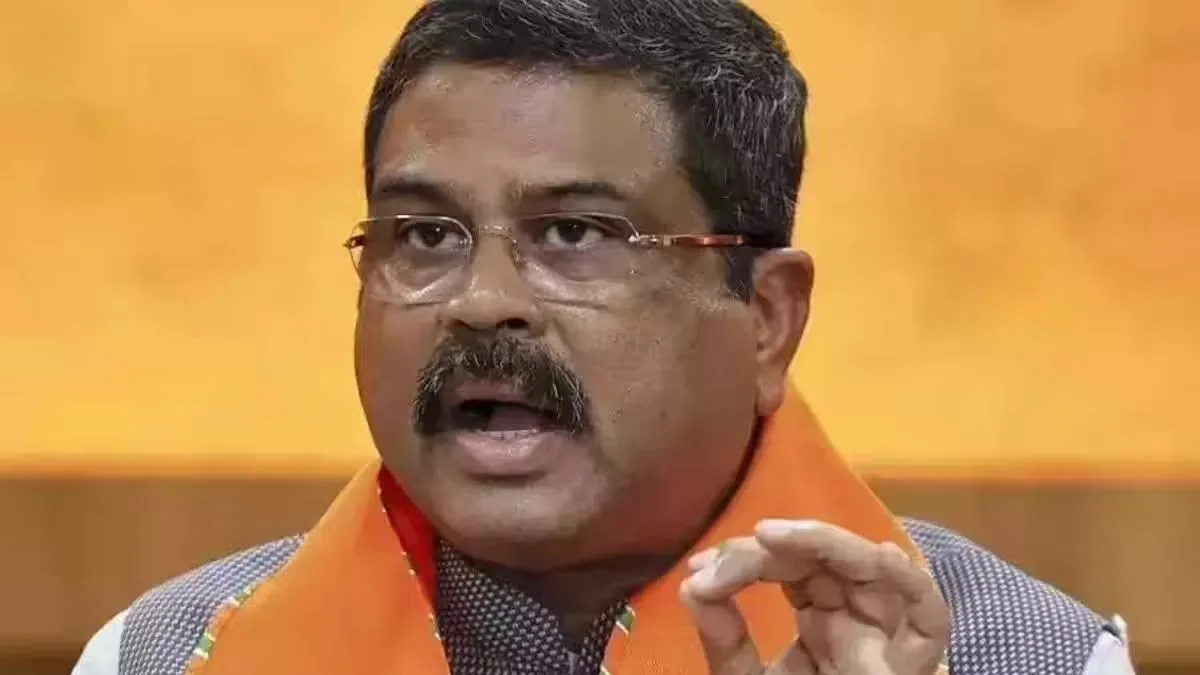
Former Chief Minister and BJP leader Arjun Munda, while visiting Palamu to showcase 11 years of central government achievements, was pressed for a response. Though measured, he left a pointed remark: “I am here to talk about progress, not politics. But people have a right to ask—why are such situations arising? Who is responsible for this growing disconnect?”
Palamu MP Vishnu Dayal Ram was less restrained. “This reflects total ignorance. The government doesn’t know the region’s language map,” he said. “Forcing irrelevant languages on youth is an insult not only to them but to the very soil of Palamu and Garhwa.”
Even voices within the ruling alliance are raising alarms. Finance Minister Radhakrishna Kishore, a senior leader from the region, has written to Chief Minister Hemant Soren, calling the JTET draft “linguistically irrational.” Kishore argued that Nagpuri (Sadri) lacks an official script and that Kudukh, while culturally vital, is spoken by only a marginal population in the designated districts.
“Hindi must be included,” Kishore demanded, calling for official recognition of Bhojpuri in the JTET structure. “Align the test with reality, not aspiration divorced from the ground.”
Youth and student groups are now taking the lead. Kamlesh Pandey, a student leader from Garhwa, termed the move “linguistic apartheid.” “Our youth are being asked to prove merit in languages they neither speak nor study. This is not just bad policy; it’s a violation of our dignity and rights,” he said.
In a particularly telling case from Garhwa, the only Kudukh teacher retired over a decade ago, leaving no institutional framework to support the language’s teaching. For many aspirants, this amounts to forced disqualification.
The fault lines are not just regional—they run through the heart of tribal Jharkhand as well. In Khunti, a tribal heartland, fresh protests have erupted against the exclusion of Mundari—a major Austroasiatic language—from the district’s JTET language list. The Adiwasi Mundari Bhasha Sanskriti Bachao Sangharsh Samiti submitted a formal memorandum to the district administration demanding reinstatement of Mundari and the removal of Kharia and Kudukh from the region’s JTET options.
“This is an attempt to erase our history and heritage,” the Samiti said. “Our icons—Birsa Munda, Jaipal Singh Munda, Ram Dayal Munda—were all Mundari-speaking. Removing Mundari is cultural vandalism.”
Supporters of the policy within the state education department argue that the move is meant to promote tribal languages at risk of extinction. However, critics say such inclusion must be demographically informed and practically feasible.
Observers caution that this isn’t merely an administrative misstep—it risks entrenching linguistic disenfranchisement in a state already marked by social and regional inequities.