India, UAE agree to enhance cooperation across consular, visa and legal domain
India and the UAE agreed on further steps to enhance cooperation across the consular, visa and legal domains.
The hum of scooter engines, the buzz of mobile apps, and the promise of deliveries within 10 minutes ~ this is the new soundtrack of urban retail in India.




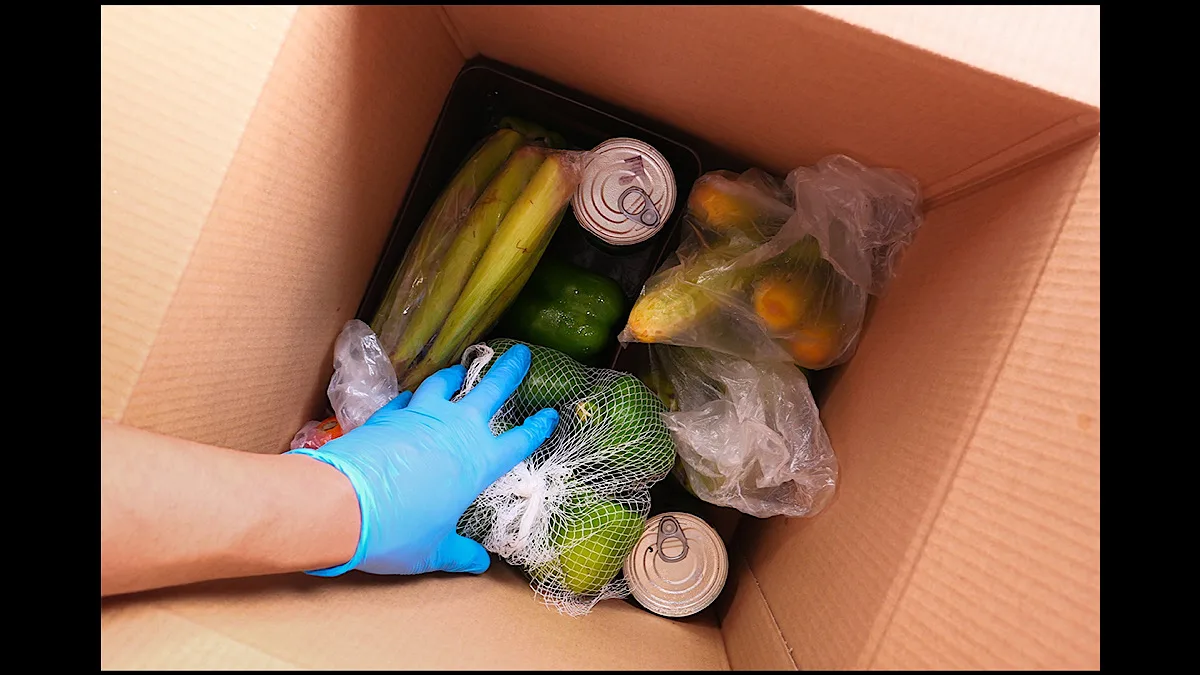
Retailers (photo:X)
The hum of scooter engines, the buzz of mobile apps, and the promise of deliveries within 10 minutes ~ this is the new soundtrack of urban retail in India. The rapid rise of quick commerce platforms has introduced a seismic shift in the way urban consumers shop, presenting both opportunities and grave challenges for India’s traditional retail ecosystem. Corner shops, or kiranas, have long been the backbone of India’s retail landscape. They are more than mere convenience stores; they are woven into the social and economic fabric of neighbourhoods.
The shopkeeper often knows your family, your monthly credit history, and even your preferred brand of biscuits. Yet today, many of these shops find themselves on the verge of extinction, as footfalls diminish and revenue plummets. The pandemic may have accelerated this decline, but the convenience of app-based deliveries is sealing the fate of countless small businesses. Quick commerce is undeniably solving real problems. Urban congestion, timestarved lifestyles, and infrastructural limitations make traditional shopping cumbersome for many. For working professionals, elderly citizens, or women navigating crowded marketplaces, doorstep delivery is not just a luxury ~ it’s a lifeline. Add to that the lure of discounts, a wide selection, and the speed of delivery, and it becomes clear why consumers are shifting. But what is gained in convenience may be lost in community.
Advertisement
The disappearance of small retailers is not just an economic issue; it is a cultural one. These shops are a reminder of the human touch in commerce ~ of conversations, trust, and familiarity that algorithms cannot replicate. And behind each shuttered shop is a family whose livelihood has been swept away by venture-backed giants chasing scale and speed. Critics argue that quick commerce is creating an uneven playing field. Armed with deep pockets, these companies often indulge in unsustainable discounting, making it nearly impossible for small, independent retailers to compete. This is not a case of innovation being resisted ~ it’s a case of disruption without inclusion. Yet, the story is not one of inevitable defeat.
Advertisement
Traditional retailers can still find a way to co-exist. The future lies in hybrid models ~ where corner shops embrace digital tools, partner with delivery platforms, and enhance the customer experience. Governments and trade bodies must also step in to ensure fair competition, while incentivising small businesses to modernise. This moment calls for empathy in innovation ~ solutions that uplift rather than displace, that recognise the value of legacy even while embracing the future of commerce. India’s diversity ensures that no single retail model will dominate the entire country. But for the sake of preserving livelihoods, community connections, and economic equity, we must reimagine retail in a way that allows tradition and technology to walk side by side. The corner shop may be on the back foot ~ but it’s not out of the game yet.
Advertisement